Nov 27, 2019
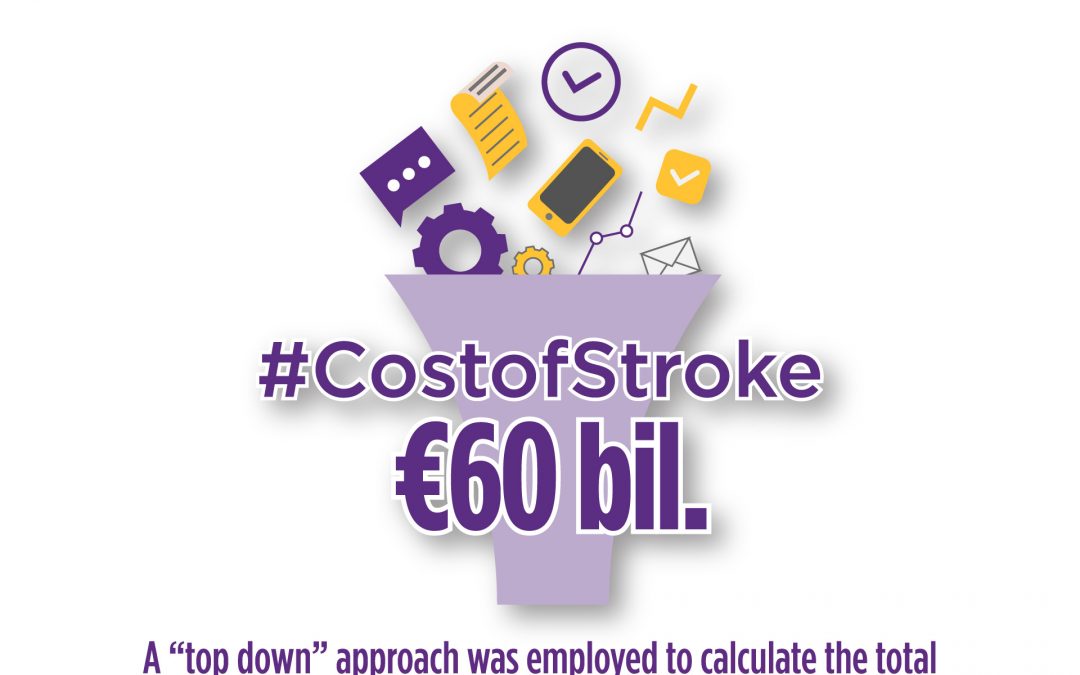
In 2017, nearly 1.5 million people suffered a stroke, nine million Europeans lived with a stroke, and more than 430,000 people died due to a stroke in the 32 countries in a new study. The total annual costs for stroke were over €60 billion, a figure revealed by the Economic Impact of Stroke in Europe Report, funded by the Stroke Alliance for Europe (SAFE) and undertaken by a health economics team from the University of Oxford.
“We know stroke shatters lives. This latest evidence clearly demonstrates its ability to shatter entire economic systems if the business as usual approach continues” said Arlene Wilkie, SAFE Director General confirming the first part of the Economic Impact of Stroke in Europe report being published in the European Stroke Journal.
SAFE delegates at the Working Conference held in Porto today had an exclusive opportunity to hear first-hand about this research and its most important findings from Ramon Luengo Fernandes, research lead on behalf of the University of Oxford and Gary Randall, SAFE’s Research Manager and volunteer.
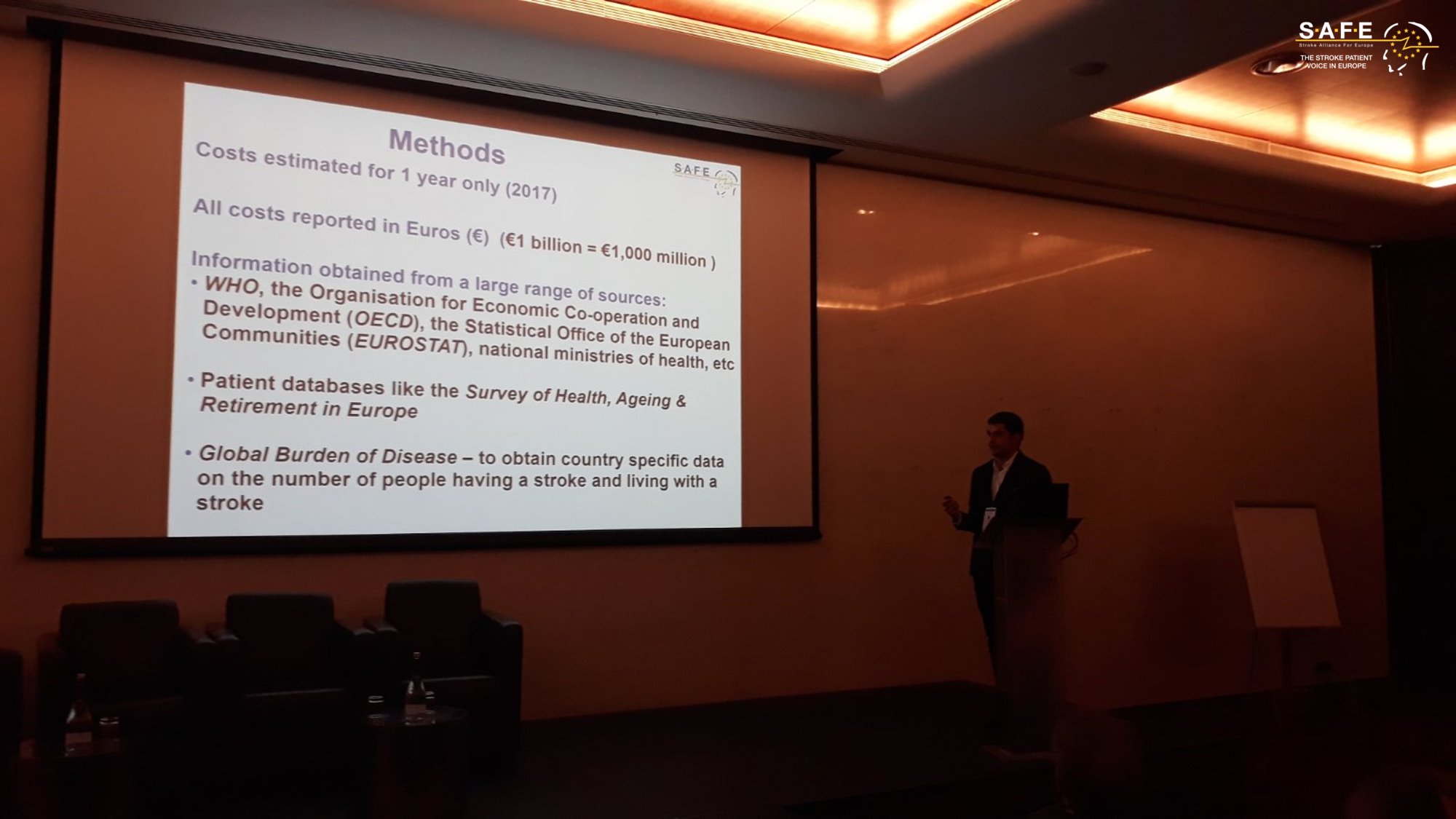
Ramon Luengo Fernandes, University of Oxford
The whole session with the presentation of the results was live tweeted and shared via SAFE Facebook.
Previously, in 2015, the overall cost of stroke for the European Union was estimated to be €45 billion. However, that study did not include nursing or residential care home costs, which may have biased the estimated costs of stroke downwards because evidence has shown that when a stroke happens, the survivor often needs to be placed in a specialised institution for further care, for example in a nursing home.
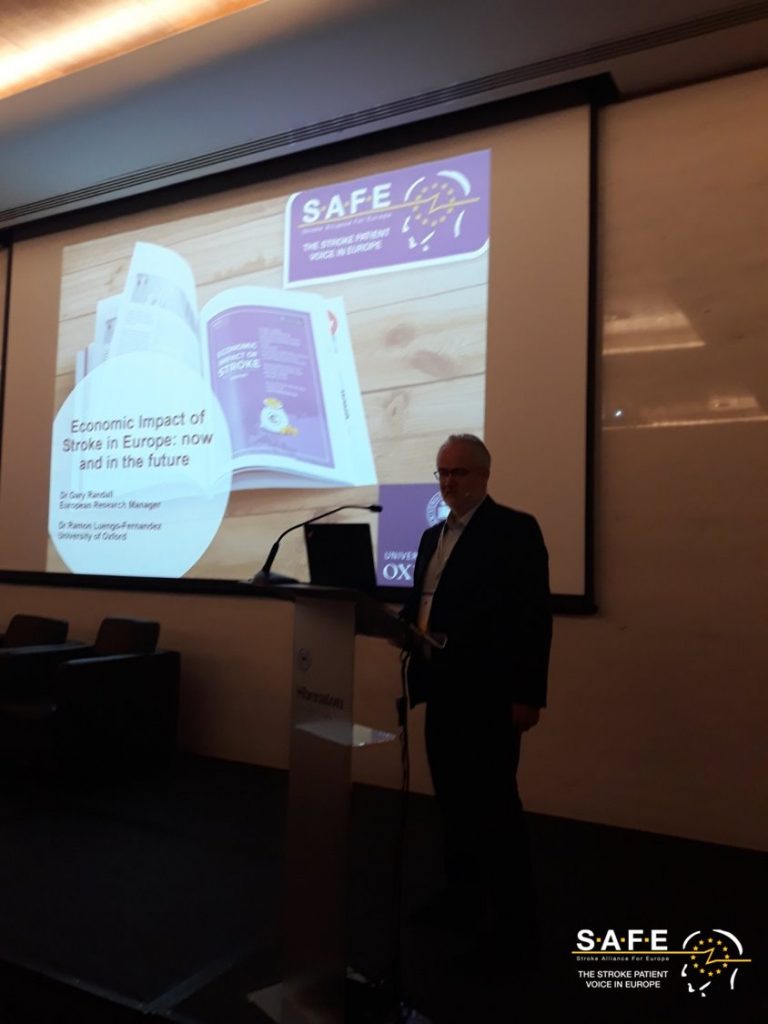
Gary Randall, SAFE Research Manager
This new study shows that with social care costs (nursing and residential care home costs), costs of productivity losses (the effect of sickness on person’s time off work; working years lost due to early death) and informal care costs (the time that relatives and friends spend providing unpaid care to people with stroke) being added, we have the first full overview of all stroke-related costs in all 32 countries in question. With this new information, the cost of stroke across 32 European countries is roughly 15 billion euros more than previously estimated in 2015. However, this is likely to be an underestimate, because some categories of healthcare costs, such as health education, public health activities, supportive treatments, home adaptations, and care provided outside the healthcare system were not recorded in healthcare statistics.
Further work commissioned by SAFE will estimate the number of people having, living and dying from stroke in 2030, 2035 and 2040, and how these changes will impact the economic costs of stroke across the 32 European countries in the study. These findings will be revealed in May 2020.
“The Economic Impact in Europe Report provides persuasive arguments for stroke to be considered as an investable proposition. We hope we have brought enough hard evidence for our partners, medics, researchers and policy decision makers to see the clear potential for investment in stroke prevention, treatment and life after stroke as a way for saving more lives and reducing future costs” concluded Arlene Wilkie.
This Report was made possible through educational grants from the following organisations: Boehringer Ingelheim, Amgen, Allm and the BMS-Pfizer Alliance.

Nov 22, 2019
Press Release | Source: EFNA
Launched in 2019, the #BrainLifeGoals campaign is raising awareness of the impact of neurological disorders by exploring the dreams and aspirations of those affected.
Sharing #LifeGoals has become a popular trend in social media. #LifeGoals are the often frivolous wishes people have – for example to own a designer handbag, meet a film star or drive a Maserati! Through this campaign people are putting a new spin on the trend by instead sharing their #BrainLifeGoals.
The campaign is an initiative of the European Federation of Neurological Associations (EFNA), an umbrella organisation representing pan-European neurology patient groups.
What are your #BrainLifeGoals for the New Year?
We’re approaching New Year- a time when it is traditional in many parts of the world to resolve to makes changes for the better, or to accomplish a personal goal. As part of the #BrainLifeGoals campaign EFNA is pleased to launch a photo competition on this theme. Participants are invited to submit photographs that reflect their goal for the future.
Get some tips on taking great photographs here.
Prizes
• The winning entry will receive a top prize of €500.
• Four runners-up will each receive a prize of €250.
Entries will be judged by a panel including patients representatives and professional photographers. Winners will be announced in late January 2020.
EFNA plans to hold an exhibition of entries at the European Parliament in Brussels during Brain Awareness Week (March) [to be confirmed], and again at the European Academy of Neurology Congress in Paris (May).
The competition will be open until Wednesday, January 1st 2020 at midnight CET.
CLICK HERE FOR ENTRY FORM.
COMPETITION RULES
• Photos should reflect the #BrainLifeGoals theme .
• Photos must be submitted via the entry form here.
• Photos should be high-resolution (a minimum of 1MB and a maximum of 6MB file-size).
• Photos may be taken using a regular camera, smartphone or tablet.
• Entrants must provide their name, nationality and email address.
• Each entry must be entirely the original work of the contestant, must have a title, description and indicate the location in which the photo was taken.
• Entries submitted in a language other than English should include English translation.
• Entrants should be personally affected by a neurological disorder.
• Any person included in a photo must have given their express permission to be photographed.
• By submitting a photograph to EFNA the contestant agrees to grant EFNA, free of charge, the right to publish the photograph online and in other EFNA media.
• The contestant agrees to grant EFNA the right to publish the name, nationality and entry details provided with their entry.
• Closing deadline for entries is 1st January 2020 and all entries must be submitted electronically.
• The winning entries shall be announced in late January 2020
• Entrants under 16 years of age, must obtain your parent’s or guardian’s permission before entering the competition.
• A maximum of three entries may be submitted by each participant.
• The judges’ decision is final and no correspondence shall be entered into.
• EFNA reserves the right to disqualify any entry which breaches any of these rules.
• An independent judging panel shall select the winner and runners up.
• All information submitted will be stored in accordance with EFNA’s Data Protection Policy.
Image source: EFNA
Disclaimer: This article was written by a third party. It does not necessarily express the views of the Stroke Alliance for Europe. The party who issues this press release is entirely responsible for the accuracy of its information.
Nov 14, 2019
Written by Alžbeta Husarovič, President of Porážka.sk
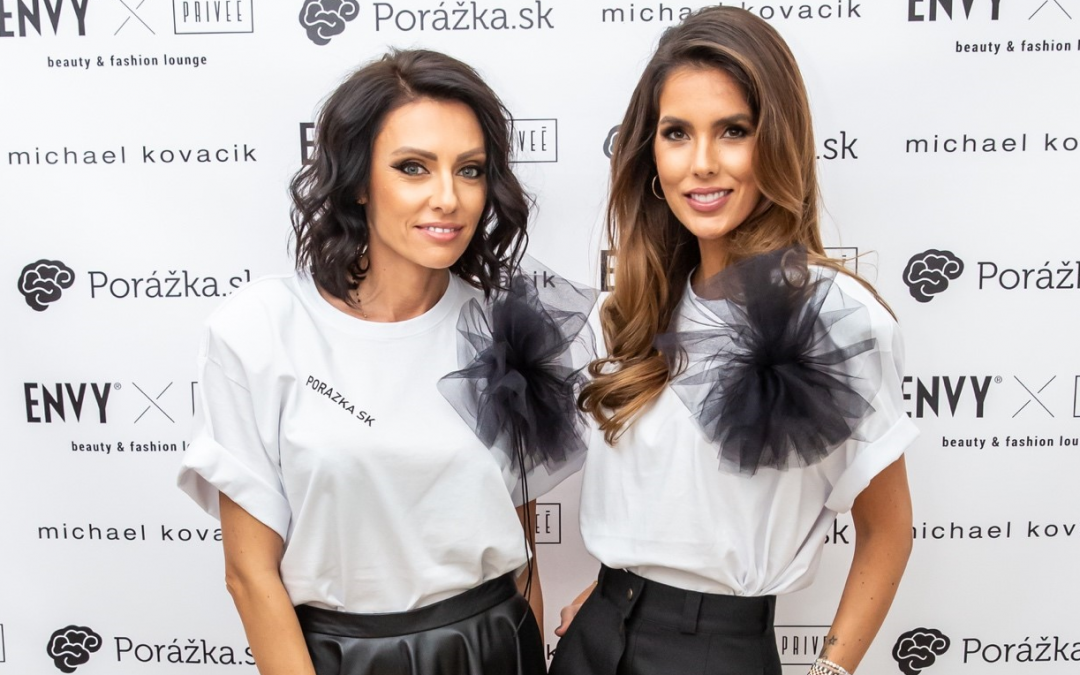
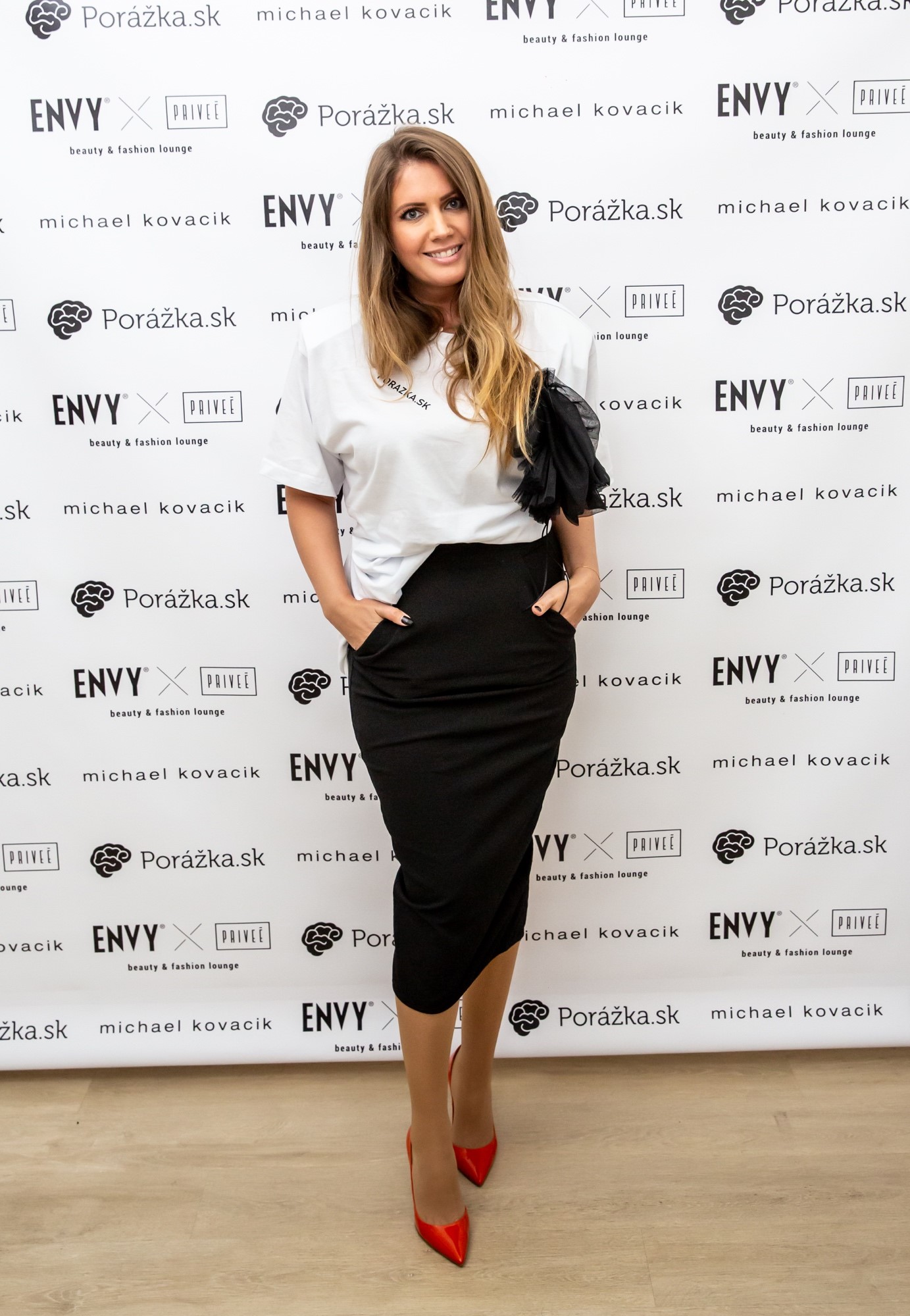
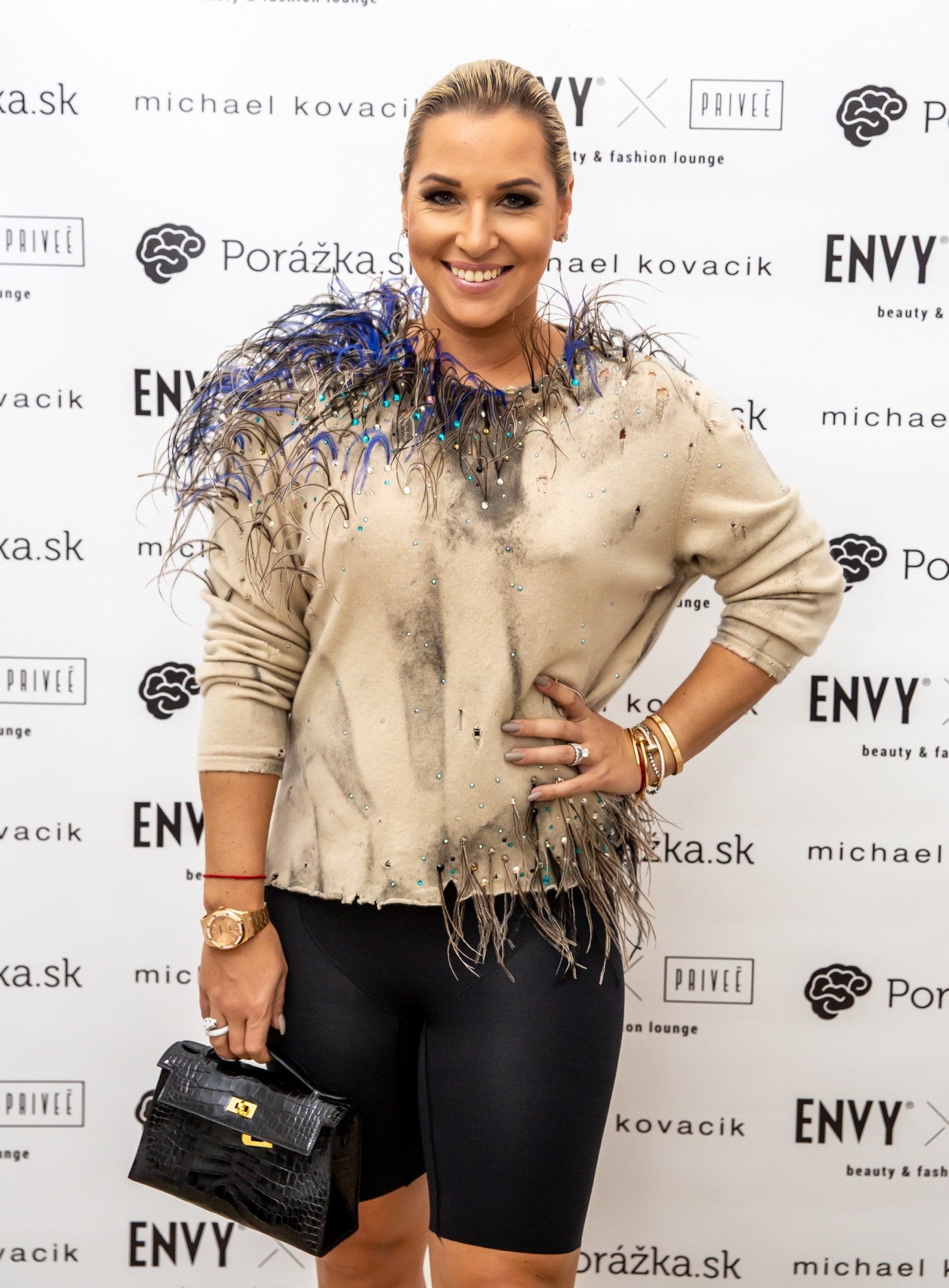
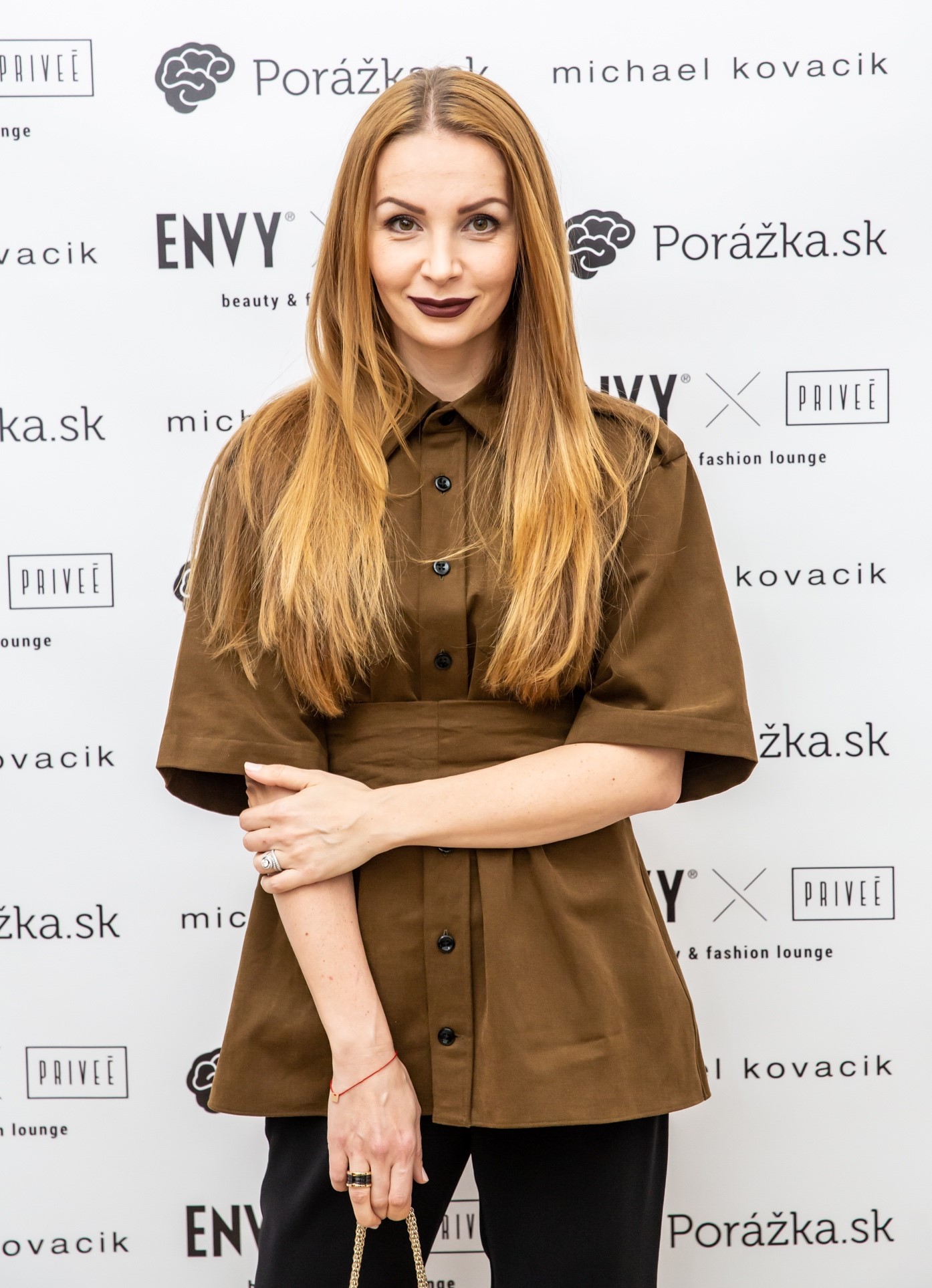
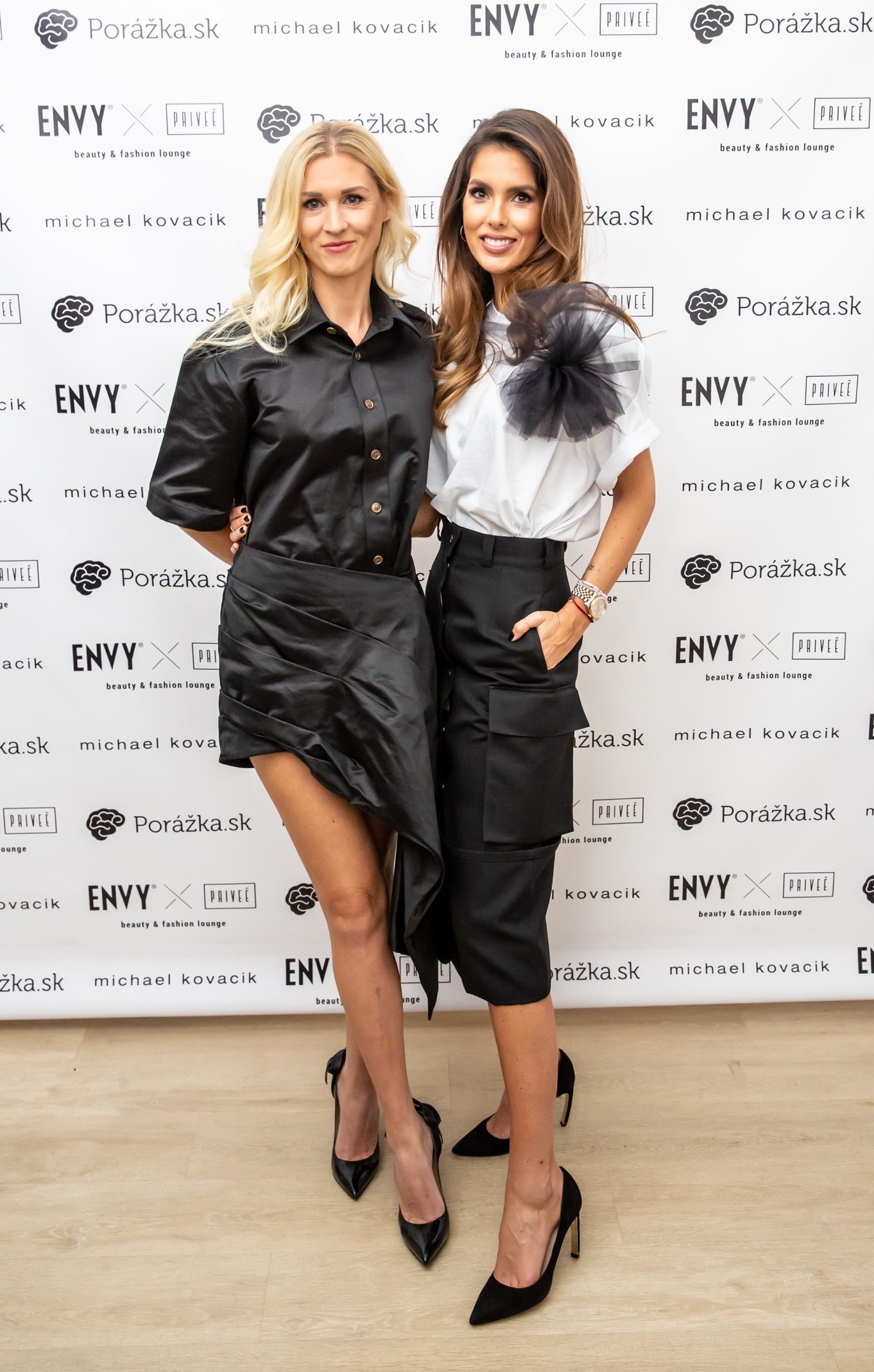
For this year’s World Stroke Day in Slovakia, a stroke support organisation Porážka.sk and a fashion stylist Andrej Kusalík organised a Charity Fashion Show. The event took place on 24th October 2019 in the Privee Lounge in Motešických Palace, in Bratislava, Slovakia.
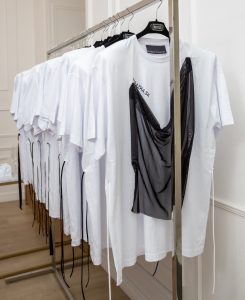
 A successful Slovakian fashion designer Michael Kováčik created a T-shirt “Unbeaten” in three different outlooks for the Porážka.sk. These T-shirts were presented on a runway by Slovakian models and previous participants of the Miss Slovakia – Barbora Franeková, Magdaléna Šebestová, Eva Rezešová and Simona Brnová Slobodníková.
The main idea of the event was to auction money for the support of the Porážka.sk, with special focus on coveing treatment costs Peter Tatarko, an engineer who survived stroke in May 2018.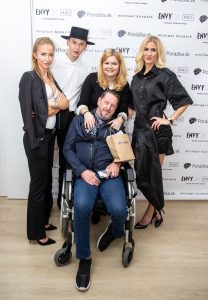
The main voice of the evening belonged one of TV moderators JOJ Lucia Wirthová. Apart from these designed T-shirts, the auction included a work of art by the academic painter Daniel Bidelnica and a painting by his wife Maria Bidelnicová as well. In addition to these two artworks also auctioned designer’s piece by Michael Kováčik, based on the auctioneer’s choice.
The evening was very successful and managed to auction around 6.500 EUR. The event was supported by leading bidders, celebrity photographer Petra Ficová, owner of Envy Lounge, Natalia Selveková and two anonymous auctioneers.
During the evening, the T-shirts were sold, bringing an additional sum of 800 EUR to Porážka.sk.
These beautifully designed T-shirts will continue to be sold on OZ Porážka.sk website www.porazka.sk, via Porazka.sk social media and on Zľavomat website, www.zlavomat.sk.
The funding that was generated through all of these activities will mainly be used for the treatment of Peter Tatarko, who overcame the defeat in May 2018. The treatment is expected to last for three intensive weeks. The cost of treatment is 3.500 EUR and Porážka.sk is very glad that it can help people through activities like this.
At the end, we would like to pass our massive thank you to everyone who participated and helped us raise the money. If you want to support our further work, please visit our website www.porazka.sk and purchase one of our beautiful T-shirts, knowing that you will not only get a very fashionable piece of clothing, but also help us continue with our very important work. Your purchase will be used for improvement of the lives of the stroke survivors in Slovakia.
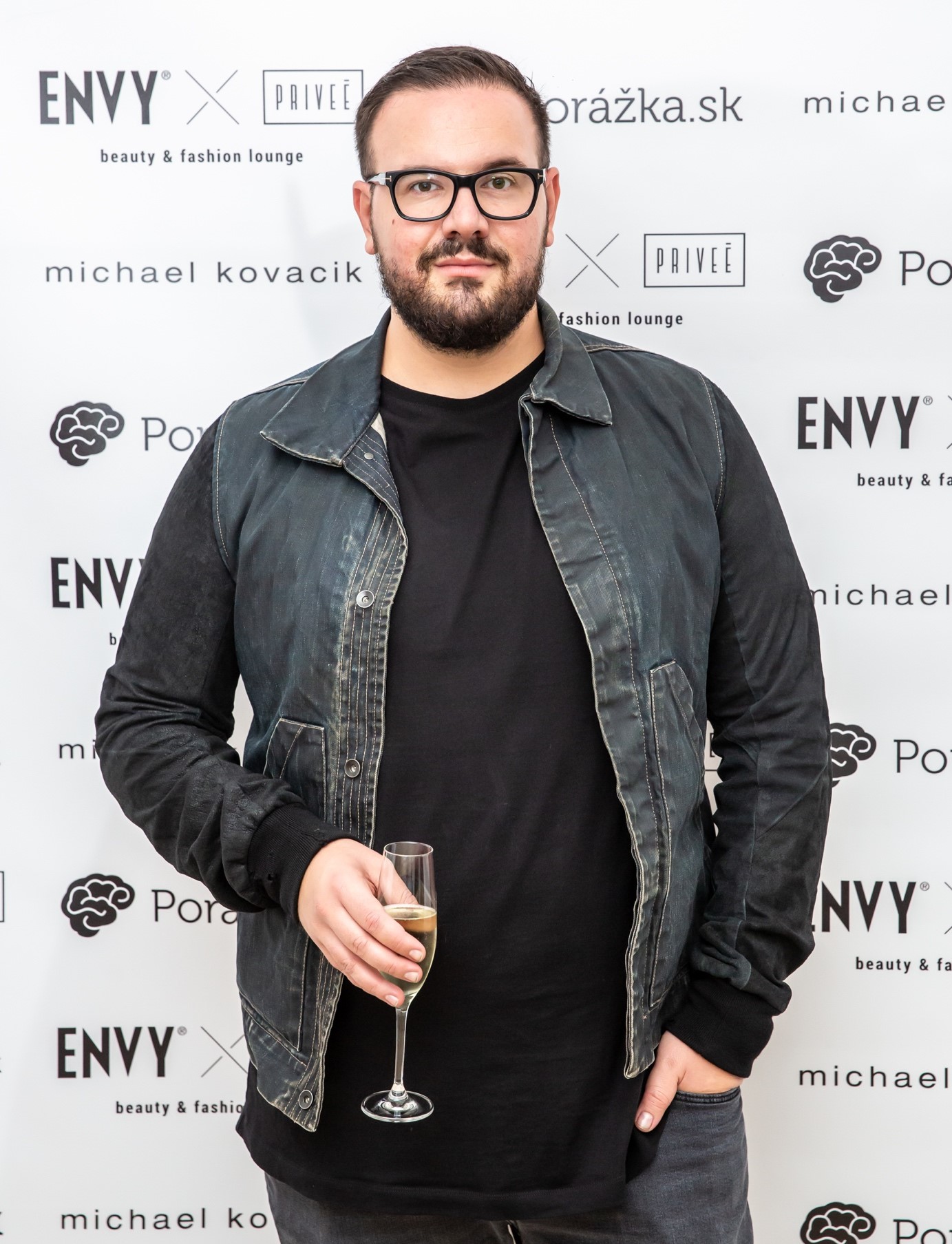
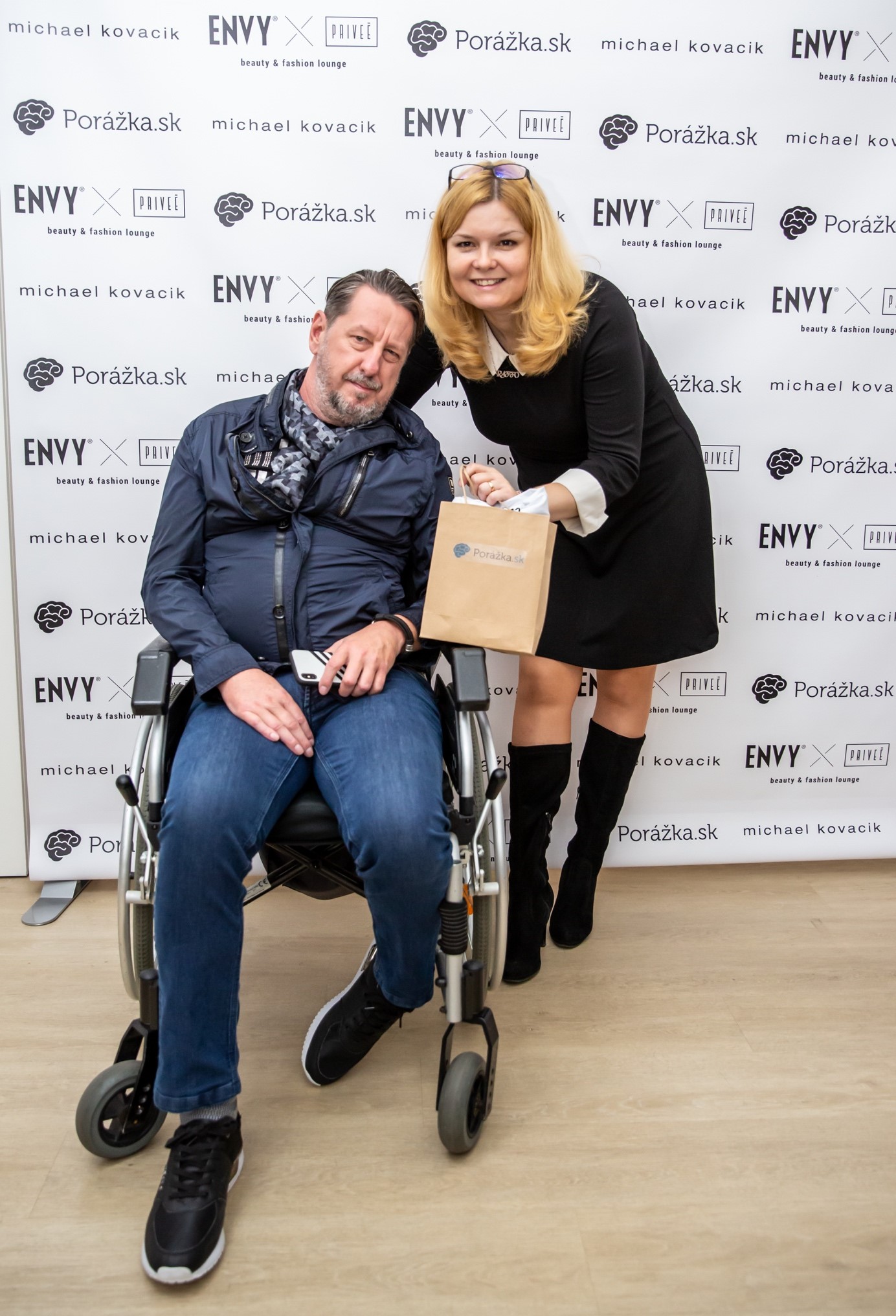
A piece of the atmosphere at the event



Nov 14, 2019
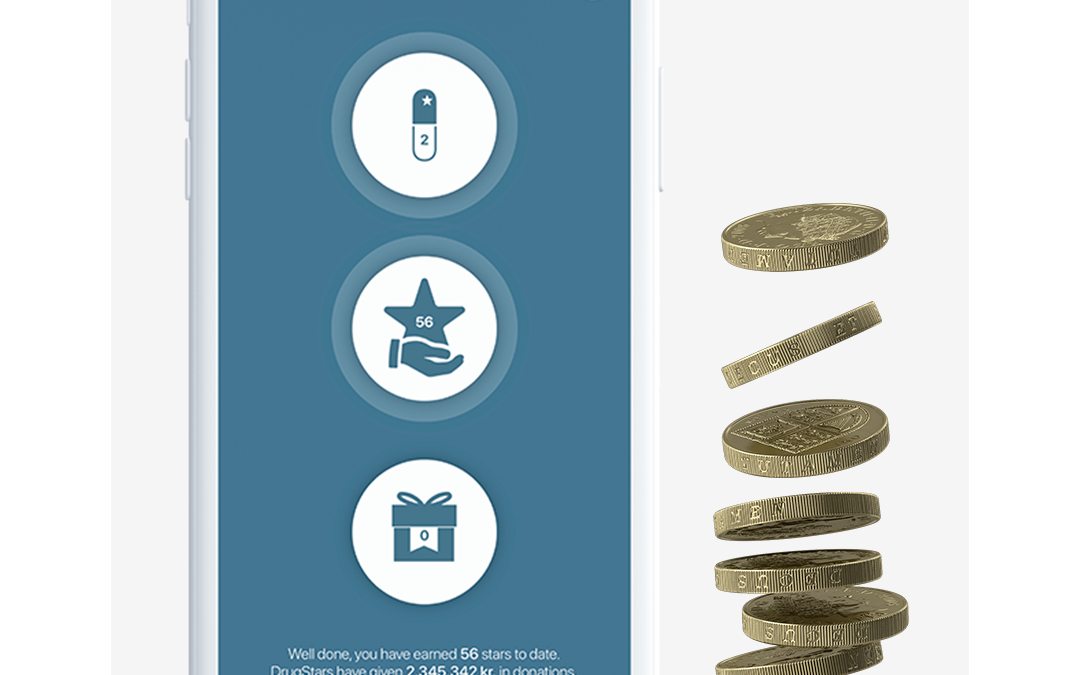
Last month we were lucky enough to attend the Eye for Pharma Annual Patient Summit Europe in London. It was here that we also attended the first UK DrugStars patient organization event, where we proudly accepted a cheque for £500. This money was donated by UK patients using the DrugStars app.
DrugStars is an app, that helps you with your medicine. The app can help you remembering to take your medicine, but the truly special thing is that you also can donate money (FOR FREE) to patient organizations like us. So please download the app by this link https://drugstars.onelink.me/FN6p/83662720
#DrugStars #GivingByTaking #eyeforpharma #Patientsummit
Nov 6, 2019
SAFE’s Annual General Assembly will take place at the Sheraton Porto Hotel, R. do Ten. Valadim 146, 4100-476 Porto, Portugal, 29 November 2019. We would be delighted if members were able to attend.
The order of business will be as follows:
08.30-09.00 Registration
09.00-09.05 Opening welcome, Jon Barrick, President SAFE
09.05-10.00 Review of the year and forward view
10.00-11.00 General Assembly
11.00 Close
For further information, please see HERE in the Members’ Section and contact SAFE Secretariat at mail@safestroke.eu
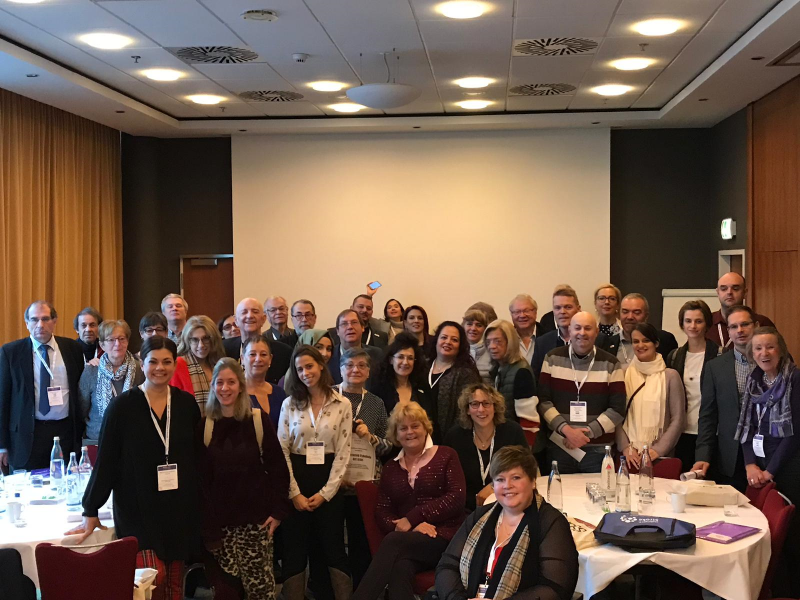
Featured photo: SAFE General Assembly 2018, Berlin, Germany
Nov 6, 2019
Written by Amanda Jerelyn
Recovery after a stroke is very essential for a patient to make his coming back to life easy and simple for himself and his caretakers. Living a normal life after a stroke is hard to think about for many sufferers. People tend to get negative once they come back to their new life and do not accept the changes positively.
The story of Marina Krsmanovic from Serbia is very powerful in terms of reclaiming a life after stroke. Coming back to your life after recovery is a new beginning for you. It is completely achievable if you have a positive mindset. You can reclaim a normal life by following these expert approaches:
Returning to routine
It is barely impossible for some patients to accept the reality that their routine will not be the same anymore. Reclaiming life after stroke involves some drastic routine changes. Survivors should always believe in their goodwill in adopting major changes around them. Accepting your fate is the first step towards success in your new life. A patient who happily adapts to these routine changes will lead a life with fewer worries and more relaxation.
Positive perspective
Setting a positive approach towards everything that happens in your life is the key to happiness. Especially in your condition, positive thinking will only make you bloom. Once you accept your life as it is, things will get easier and better understandable by you. A positive mindset will also let you be your own motivator at times you’re alone.
Vernell Bradshaw is a stroke survivor. His motto is attitude is everything, and quite astonishingly, it is true. He lives his life with willingness and readiness. He also said that he never questioned why he had to go through it, but instead, he accepted it and gained enough strength to move on with his life enthusiastically.
Meditation is a great healer
After a stroke recovery, patients are highly advised by doctors to take care of themselves and make it a priority. Taking care of you means making sure all your needs and wants are being fulfilled. And your needs should firstly include taking out some time for meditation. Doing meditation routinely is an expert approach to live a life normally after a major stroke. Now medication may include doing light walk in the morning, doing yoga outdoors or indoors, or doing breathing exercises.
Physiotherapy benefit a lot
Individuals suffer from many symptoms like loss of memory, losing willpower, and losing the power of control that mainly includes limb control, after a stroke. Physiotherapy comes as very helpful in this particular case.
Physiotherapy mainly means a treatment for recovering patients that consist of physical techniques. It includes light exercises, massages, and treatments by heat to help with internal and external body movement with easiness.
So it is another expert approach to win back your life after stroke and start living it naturally.
Dressing method transformation
After a stroke, simple tasks such as dressing up or bathing become a hassle for survivors. Their frustration is genuine, but the expert approach would be to deal it with mindfulness and give it time.
Changing your way around things might help. For example, you can change clothes easily while sitting on a chair or bed instead of standing up. You can also choose to wear loose clothing so it can be less of a hassle. Putting your affected hand in the shirt’s sleeve first will give you more grips for wearing it properly.
Modify bathing equipment & tools
Now bathing is the second hardest task, but it can be made simpler by following some pro-tips. Always remember that baths are harder to take after a stroke, so you should opt for showers. Replace your usual bathmats with suction-cupped bathmats to avoid slipping. Always keep someone or a bell in your reach to have instant help when in an emergency.
Avoid driving at maximum
Driving after a stroke can’t be easy or normal. In some extreme cases, it is not advised for some patients after recovery by their physiotherapists and doctors. But if you must, then firstly you need to have the authorities informed and have a test ride with them for surety. Then you need to modify your car according to your hand, which is not paralyzed. Safety tip is to have someone ride along with you at all times to ensure you don’t accidentally meet some severe strokes.
Attending group sessions
People after recovery from a stroke become bitter and angry because of isolation and because they can’t do things they used to do before by themselves. It is entirely understandable, and an expert approach would be to attend sittings. Sessions related to life after stroke will brighten-up your spirit. Because you will now feel linked to many others and feel relaxed knowing you’re not suffering alone in this situation. Attending group sessions will rise-up your morale and motivate you towards all the positive things in life to cherish.
Keep challenging yourself
A patient who survives a stroke and comes home after recovery needs the most challenges in their life to keep moving forward. Think of it as you always come first in all the racing marathons and suddenly racing marathons stopped happening, how would you feel? You’ll feel stuck in between. So daily challenges, no matter big or small, keeps your life going on a steady path. So survivors should always keep looking for problems and try their best to overcome them effectively.
These were some useful approaches that you can consider after recovering from a stroke. And life is undoubtedly reclaimable after a stroke. You just have to be willing to live it fully. Living a normal life is not a dream, but it’s a mission for survivors, and you’ll get through with it too.
Author bio:
 Amanda Jerelyn is currently working as a health & wellness tutor at King Essay.
Her professional writing services include nursing dissertation through which she gained much popularity in her field and she occasionally contributes content to Guide2Write. Amanda writes with full contribution and enthusiasm, which makes her stand out from the rest.