Jun 21, 2019
“The municipalities (in Norway) govern themselves regarding the economy and the government can’t earmark money to be used in the municipalities for each purpose. The municipal decides what they want to use the money for. And too often we see that there are no more money left when it comes to give patients the treatment they need, and which Norwegian law grants them” says Bjørn Bakke, leader of the Norwegian Stroke Support Organisation, Norsk forening for slagrammede, which is a member of SAFE.
SAFE: What is one issue related to the life after stroke in your country that you think needs special attention?
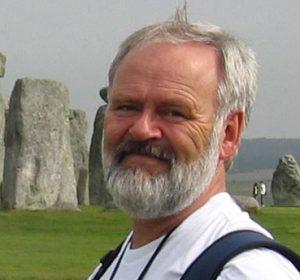
Photo: Bjørn Bakke, private archive
BB: In Norway we see that the situation for stroke survivors gets worse after the initial treatment in the stroke unit in hospitals and the first rehabilitation in the hospitals. These treatments (medical, surgery, rehabilitation) are financed by the government and follows in most cases national guidelines which are developed and refined during the (last) years. These treatments are usually of a very high quality.
The problem arises when the patient leaves the governmental treatment and the local municipal takes over the rehabilitation. There are of course laws regulating that a patient is granted the same treatment. But unfortunately, this is not necessarily so – in most cases. Norway has approx. 400 municipalities and every single one has a different approach to this issue. To be short, it comes down to economy.
SAFE: What would be the solution, i.e. what is your organisation’s position regarding this issue?
BB: There are 4 stroke organizations in Norway, and we have all concluded that we must engage politicians so that the parliament can pass new laws to strengthen the rights for the patients. This year we have local elections, and this gives us all a great opportunity to address municipal politicians all over Norway. We have a lot of work to do to address the public and the politicians with arguments. This means writing to the politicians and in newspapers and influence the wherever possible, like using Facebook etc.
SAFE: Please tell us more about your organisation.
BB: Our organization is driven by stroke injured people and our main issue is to work for stroke injured people. We are a nonprofit organization having approx. 1250 members spread all over Norway in 19 local organizations. We plan to establish more local organization, but we see also that we need to change our structure a bit in some places. Some of the local organizations cover a too large area and it is not possible for them to gather people from all over their area, so we may need to split some large organizations into smaller units.
Neuropathic Pain After Stroke
Dr Hege Ihle-Hansen, specialist in inner medicine and geriatrics at Oslo University hospital, Ullevål, told us that in follow-up after stroke a neuropathic pain is also mapped, and this is included in the national guidelines concerning follow-up 3 months after stroke.
Grethe Lunde, a stroke survivor, member of Norsk forening for slagrammede and SAFE Board member is one of many stroke survivors who live with neuropathic pain.
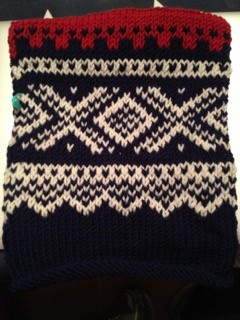
“How to live with muscle pain/neurological pain after 25 years as a stroke survivor? Well, I am really happy to be a knitter, as knitting often cuts the link to the “pain button” in our brain. It is a great way to disconnect from what is hurting. Knitting is also great fun and a really good tool for enhancing the mobility in your hands. Knitting distracts you from chronic pain. A study conducted by Harvard Medical School’s Mind and Body Institute, found that knitting lowers heart rate, by an average of 11 beats per minute, and induces an “enhanced state of calm, similar to that of yoga” concluded Grethe.
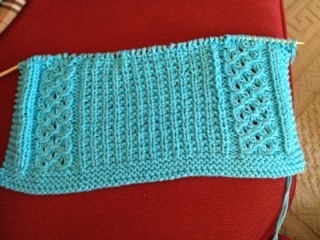
Photos by: Grethe Lunde Some of the knitting patterns that Grethe knitted recently.
Jun 14, 2019
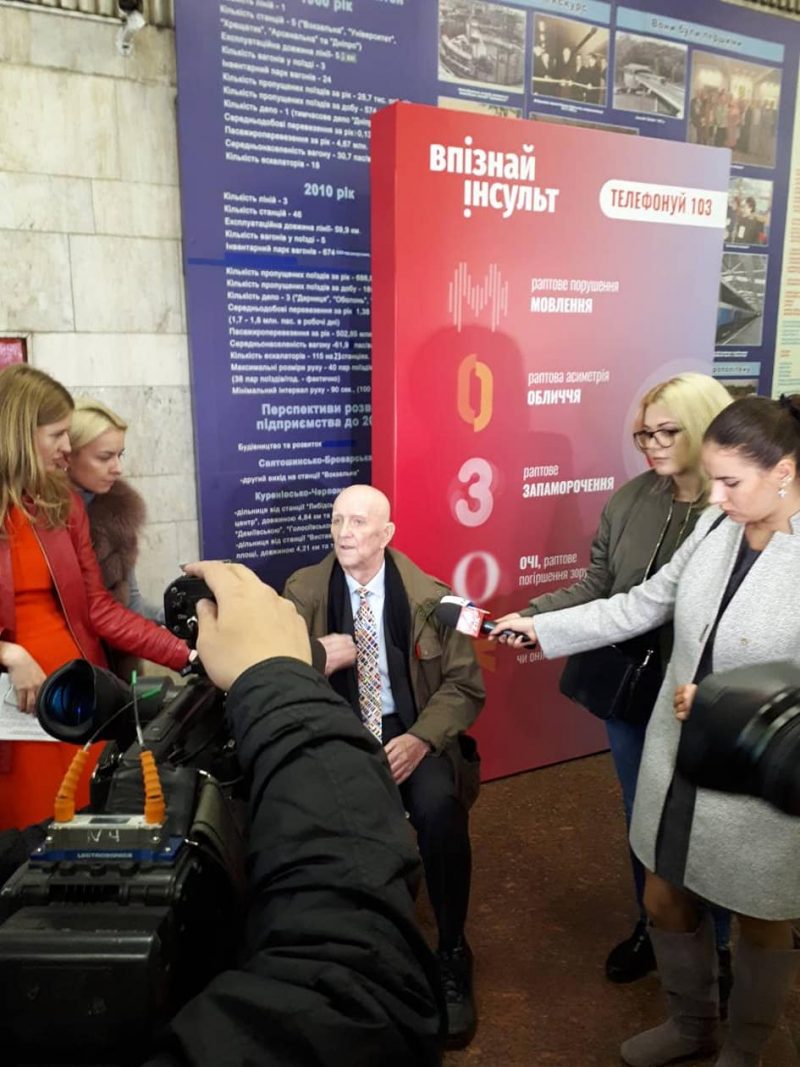
This week we spoke with leaders of two SAFE member organisations from Ukraine, Prof. Liliya Zviagina, MD, PhD, President of the stroke support organisation ‘Victory over Stroke’ and Dmitriy Gulyayev, MD, PhD, Director of publishing and research projects, Medical adviser of public subdivision, Ukrainian Anti-Stroke Association.
“I would say that in the information related to stroke and stroke care in Ukraine, provided by some specialists and even institutions, there is a lot of inaccuracies, mistakes, and even obvious and impertinent lie and falsifications” said Dmitriy Gulyayev at the very beginning of our conversation.

Dmitriy Gulyayev
SAFE: What is one issue related to the life after stroke in your country that you think needs special attention?
 DG: Current state of stroke care in Ukraine is poor, so it is not easy to pick just one problem. In my opinion, one of the major issues is that special needs of stroke survivors are neglected by the society and the government. Stroke survivors are isolated from public – physically (due to inaccessible public transportation, buildings etc.), and psychologically (as they are often ashamed of their disabilities). They are not in focus and are almost ‘invisible’ for the society. Despite the fact that virtually anyone in Ukraine has a family member or a friend who suffered a stroke, they do not realize how many stroke survivors there are in Ukraine, how challenging their life is, and how unfair the society and the government treat this huge sub-population – stroke survivors, their relatives and caregivers.
Unfortunately, stroke survivors themselves rarely volunteer to share their experiences and challenges, and thus we are unable figure out the list of their priorities, and often have no other choice than initiating projects at our own discretion. Moreover, stroke survivors are not prepared to join their forces to speak up about their problems and the unmet needs. As a result, official institutions, take care of those who are younger, more mobile, more active, and who are shouting about themselves louder. Particularly by this reason, among others, for example, rather influential social movement “Patients of Ukraine” was established and is managed and promoted by activists of HIV/AIDS and hepatitis organizations, and stroke items are far out of their interest and attention.
Liliya Zviagina
 LZ: Stroke is the leading cause of morbidity and mortality death in Ukraine and is the main cause of disability in adults. Number of sufferers varies from 200 -300 per 100 000 population, depends on region. The main risk factors for stroke are well understood and include atherosclerosis and high blood pressure as well as bad habits. Stroke has a harmful impact on social and family life.
Quality of stroke service varies from region to region and depends on sometimes from personal activities and forces of doctors. To promote good service for stroke patients we have understand what is wrong and what we could to do in existing conditions.
Stroke service in Ukraine is only in the beginning of the way, people could not always access the services they need. I would like to stress on some common problems in Ukraine and what changed during last years.
1/ People are not aware about stroke;
2/ Not all people address in time to get help;
3/ Not enough stroke units;
4/ There are not insurance, and patients must pay for their treatment;
4/ Stroke patients get treatment in general neurological department
5/ Not so many departments use modern treatment (thrombolytic therapy and thrombectomy);
6/Not so many departments are equipped for monitoring vital parameters of stroke patients;
7/ Not so many departments have trained staff to perform all needs of stroke patients, particularly who has a dill with sufferers who have communications problems caused by stroke, such as aphasia;
8/ Not so many departments have multidisciplinary teams;
9/ Early and later rehabilitation are poorly organized;
10/ Not all stroke survivors and their carers are provided with the recommendation they need when they discharge from the hospital;
11/There are not system for observe patient during the first year;
12/ Not all patients are offered individual budgets or direct payments within the first six weeks of their returning home;
13 Not all people has a good knowledge of primary and secondary stroke prophylactic
SAFE: What would be the solution, i.e. what is your organisation’s position regarding this issue?
DG: Obviously, there is no magic wand to solve this deep social problem. We have to be ready for long-lasting, often thankless routine activities. We have to:
-widely distribute through different channels stories about stroke survivors’ life, needs, problems, solutions – not only in Ukraine, but in other countries with different level of social and economic development;
-build different platforms (both real and virtual) for communication of stroke survivors – peer-to-peer, and with surrounding world;
-involve stroke survivors into elaboration of stroke care on national, regional and local levels, encourage their active self-advocacy.
LZ: This can be summarized in couple of points:
1. The ministry of health declares some prevention measures; there is program -“Available medications”, which covered costs anti-hypertensive medicine, medicine to treat diabetes, …
2. The ministry of health proved protocol of ischemic stroke treatment N602 from 03/08/2012 which is act till now, should be revised according new trends, including thrombectomy
Over the last years the number of stroke units and thrombolytic therapy increased considerably as well as clinic where clot retrieving is available.
Despite of it we must improve these directions, which are help not only survive but return to social life.
SAFE: Please tell us more about your organisation
DG: The Ukrainian Anti-Stroke Association (UASA) is the All-Ukrainian nongovernmental organization established in 2004 with the purpose of integrating efforts of medical professionals, scientists, teaching staff of medical educational institutions, workers of social services, mass-media and people at large for improving the health care system in treating patients with stroke, primary and secondary stroke prevention, rehabilitation of patients after stroke and improving quality of medical and social help for patients who had stroke. Since its establishment, UASA is one of the most aggressively working Ukrainian NGOs in the field of medicine and health care, and the single organization totally devoted to stroke.
UASA elaborates, publishes and disseminates National Guidelines on stroke care, holds the most important Ukrainian scientific and education events for stroke physicians and allied health care professional, publishes as its official printed matter the single Ukrainian professional journal totally devoted to stroke “Sudynni Zakhvoryuvannya Golovnogo Mozku” (Cerebrovascular Diseases). For 4 years (2010-2013) UASA was publishing the Russian-language version of the “International Journal of Stroke” – the official printed matter of the World Stroke Organization – for all countries where Russian language is in use, including Russia. Several years ago, UASA has initiated and since then is a leader in the SUNEP – stroke unite nurses education project, which is very useful and successful not only in Ukraine, but in other countries of Eastern and Central Europe.
Main directions of work with general population are educational events for stroke survivors and their caregivers, educational materials for patients and general population, particularly the brochures on different aspects of stroke, “Guidebook on neurological diseases for laymen”, etc. The book “Stroke: Information for those who are concerned” has been re-published 8 times.
We fulfil wide educational activity in Facebook, and currently are on the way to finalize and publish the popular web-resource on stroke for general audience. UASA always was the principal organizer of the activities related to the World Stroke Day in Ukraine.
UASA is member of World Stroke Association and European Stroke Organization and is on the final stage of joining SAFE.
LZ: School for stroke survivors “Victory over stroke” was establish within Odessa neurological society in 2008, after visiting SAFE conference. We started with a small group of stroke survivors, trying to manage their life better, arranging some musical concerts, meetings and courses. We work and people help us as a volunteer. Since 2013 I become general neurologist of Odessa health department and from this time, I try to change the system of patient’s service and act more globally. We are working on many directions:
1.People information, (TV, meetings, newspapers)
2.Stroke prevention (patients and doctors)
3.We are involved in city program “Health” which let our patients get access to CT in acute stage for free and get three days treatment according to protocol, this year we have plane to open three stroke units (one is ready now)
4.Thrombolytic therapy will be paid by this program as well as thrombus retrieving.
5.There two telemedicine centers, where patients from the countryside have access for consultations
6.We teach doctors, mange local, national and international conferences.
7.Late rehabilitation center was open in one of Odessa clinic, where patients have accesses to improve their motor dysfunction, be adapt to the city and home environment
8.I joined school to University of third age, where people improved social life to study a lot of new subjects, computers, languages, tourist’s routes, where I teach people different medical questions, presented brochures, given to our organisation by SAFE, and presented new directions of stroke treatment, etc. This kind of activity play positive role, students of the university recognized stroke in one of the visitors and give help him immediately
9.Mortality after ischemic and haemorrhagic stroke decreased
Photo credits: Facebook (Roman Shwed, featured photo); profile photos of the interviewed persons: Personal archive
Jun 10, 2019
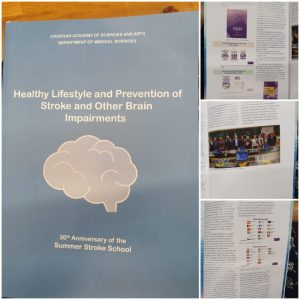 At the occasion of the 30th Anniversary of the Summer Stroke School in Dubrovnik, Croatia, the Croatian Academy of Sciences, Department of Medical Sciences published a book “Healthy Lifestyle and Prevention of Stroke and Other Brain Impairments”. SAFE Board member, Prof. Anita Arsovska from North Macedonia, contributed to this book with information about SAFE and our political activities.
30th Dubrovnik Summer Stroke School: Healthy Lifestyle and Prevention of Stroke and Other Brain Impairments, International Course, endorsed by European Stroke Organization (ESO), World Stroke Organization (WSO), European Academy of Neurology (EAN) and World Federation of Neurology (WFN) took place in Dubrovnik, Croatia, at the Inter-University Center, from 3-7th of June 2019.
The scientific programme was exciting and encompassed many aspects of stroke and related disorders (starting from prevention, acute diagnosis, treatment and rehabilitation) delivered by international faculty from Albania, Austria, Croatia, Germany, Israel, N. Macedonia, Serbia and Slovenia. Traditionally, the school was attended by numerous participants (residents and young specialists in Neurology) from Albania, Austria, Bosnia and Herzegovina, Croatia, North Macedonia, Serbia and the Netherlands.
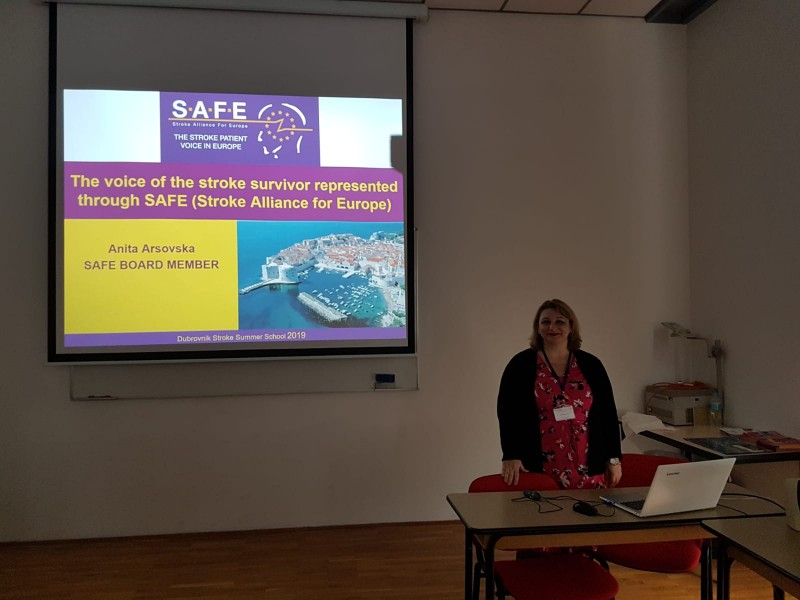
“The Voice of the Stroke Survivor Represented Through Stroke Alliance for Europe” was delivered by Prof. Anita Arsovska (N. Macedonia), SAFE Board Member, with a special focus on the European Stroke Action Plan 2018-2030 and the most important overarching targets that need to be fulfilled by 2030.
Further on, the political activities of SAFE were presented, such as regular Stroke Summits in the European Parliament and the European Commission of the Regions in Brussels, as well as the importance of collaboration with other societies and initiatives (such as ESO, Angels Initiative, WSO etc).
SAFE would like to thank our Croatian colleagues from Hrvatsko društvo za prevenciju moždanog udara, our member organisation, for their support and for enabling this promotion of SAFE’s activities.
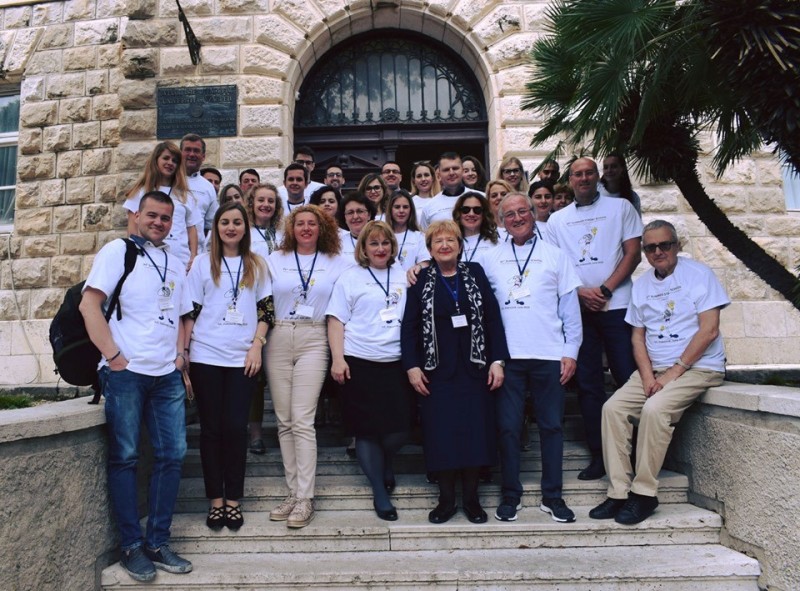
Prof. Vida Demarin with faculty and participants of the 30th Summer Stroke School in Dubrovnik 2019.
About 30th Dubrovnik Summer Stroke School
Course Director was Prof. dr. Vida Demarin, FAAN, FAHA, FESO, FEAN, FWSO, Fellow of Croatian Academy of Sciences and Arts, University of Zagreb, Croatia and the Board of Directors consisted of Prof. dr. Roman Haberl, University of Munich, Germany, Prof. dr. Kurt Niederkorn, University of Graz, Austria, Prof. dr. David Russell, Univeristy of Oslo, Norway and Assist. prof. dr. Hrvoje Budinčević, Sveti Duh University Hospital, Zagreb. Colleagues from the Dubrovnik General Hospital participated in the Organizing Committee (Dr Andrijana Bogoje Raspopović, Assist. Prof. dr. Denis Čerimagić, Dr Mira Ivanković and Dr Maro Vodopić) and also served as Course Coordinators (Dr Andrijana Bogoje Raspopović, Dr. Petra Črnac Žuna and Petra Dalić). The Summer Stroke School was organized by the International Institute for Brain Health, Central and Eastern European Stroke Society, Croatian Stroke Society, School of Medicine, University Of Zagreb, Inter University Centre Dubrovnik, WFN Applied Research Group on the Organisation and Delivery of Care and the Society for Neuropsychiatry and co-organized by the Department of Medical Sciences – Croatian Academy of Sciences and Arts.
The 30th Summer Stroke School was accredited by 4 ECTS points and provided an excellent and enjoyable platform to hear great lectures, interact with faculty, share experience and meet colleagues from different countries.
Jun 7, 2019
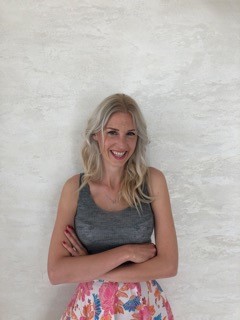 “When patients after stroke meet and can get together with others – even with non-stroke-patients, their self confidence grows, they start to connect with people, and that is for us very important” says Alžbeta Husarovič, the President of the Slovakian Stroke Support Organisation Porážka.sk and a stroke survivor.
SAFE: What is one issue related to the life after stroke in your country that you think needs special attention?
AH: If we have to choose only one issue, it would probably be the socialization. Because with socialization starts all the patient´s effort to ´start over´ and to be able to get back to his previous life as much as it is possible. We believe, that step by step this might be the key to the mental recovery, which is as important as the physical one.
SAFE: What would be the solution, i.e. what is your organisation’s position regarding this issue?
AH: During the last couple months, we at our organisation Porážka.sk are focusing on different activities, which might be helpful to stroke survivors.
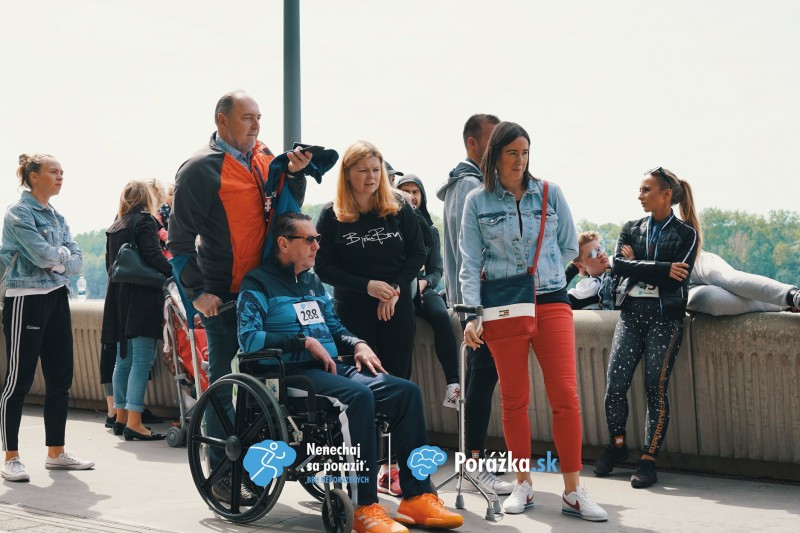
We believe that one of those is our Charity run (called Beh neporazených) which unites the patients with healthy people, who are running to raise money and create better conditions for patients. This is the most powerful (but also emotional) project of our organization so far, where the socialization of stroke survivors is really visible. Other our project is focusing on small sheltered workshop, where the patients with disability becoming a real paid work. Sheltered workshop is going to be a place where again patients are exposed to real life and can communicate and bond with others.
SAFE: Please tell us more about your organisation.
AH: Our association Porážka.sk was created in 2013 by Alžbeta Husarovič, stroke survivor. We have three important activities.
- We are trying to spread stroke awareness by organizing various public events such as Unbeaten RUN, Fashion Show etc where we always invite stroke survivors, famous faces and media people.
- We help individuals, stroke survivors and their families in three ways. Financially, by lending to survivors physiotherapeutical equipment and guide them after leaving hospital.
- We are going to give to stroke survivors a place, where they can meet, talk, compare each other, rehabilitate and what is the most important, we are going to give them a work.
Photo credits: Porazka.sk Facebook page.