May 3, 2018
First published on ScienceDaily.com
The diagnosis is one that a family never wants to hear: Your father has Alzheimer’s disease. Your mother has stroke-related dementia.
A recently released study, included in a special supplement to the Journal of Gerontology, indicates that dementia’s impact might be compressing a bit. That is, people might be developing dementia later and living with it for a shorter period of time. (more…)
May 3, 2018
First published on ScienceDaily.com
An experimental compound appears to improve stroke outcome by reducing the destructive inflammation that can continue months after a stroke, scientists report.
Rats consuming compound 21 following a clot-based stroke — the most common type in humans — don’t have a smaller stroke size but do have better memory and movement in its aftermath, says Dr. Adviye Ergul, vascular physiologist and Regents’ Professor in the Department of Physiology at the Medical College of Georgia at Augusta University. (more…)
May 3, 2018
First published on ScienceDaily.com
A new computer programme developed by scientists at the Universities of Edinburgh and Glasgow can assess whole brain deterioration and help predict cognitive function after stroke up to ten times more accurately than current methods.
The new approach, published today in the International Journal of Stroke, can quantify visible brain injury from cerebral small vessel disease (SVD) and brain atrophy by translating the million plus bits of information stored in brain scans into a single measure, the “brain health index.” (more…)
Apr 13, 2018
Published first on ScienceDaily
Smoke from wildfires may send people — particularly seniors — to hospital emergency rooms (ERs) with heart, stroke-related complaints, according to new research in the Journal of the American Heart Association, the Open Access Journal of the American Heart Association/American Stroke Association.
Previous studies have shown that wildfire smoke exacerbates respiratory conditions but yielded inconsistent results for effects on the heart, brain or blood vessels. (more…)
Apr 13, 2018
First published on ScienceDaily
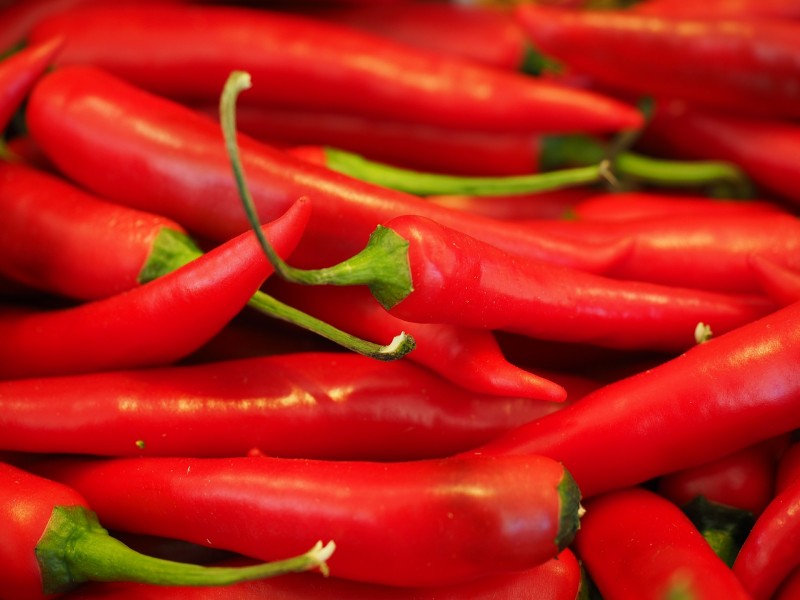
Taking part in a hot chili pepper eating contest might have some unexpected consequences, highlight doctors in the journal BMJ Case Reports.
Their warning comes after a young man ended up in emergency care with excruciatingly painful episodic headaches after eating a ‘Carolina Reaper,’ the world’s hottest chili pepper. (more…)
Apr 10, 2018
Published first on ScienceDaily
Depression, even when undiagnosed, can have many negative effects on cardiovascular patients, including poor healthcare experiences, more use of healthcare resources and higher health costs, according to preliminary research presented at the American Heart Association’s Quality of Care and Outcomes Research Scientific Sessions 2018, a premier global exchange of the latest advances in quality of care and outcomes research in cardiovascular disease and stroke for researchers, healthcare professionals and policymakers. (more…)