Nov 28, 2025
We are pleased to announce that the programme outline for the European Life After Stroke Forum 2026 in Stockholm is now live on our website. Our scientific committee has worked hard to develop a programme that is filled with the latest research and best practice, with the voices of people with lived experience at its heart.
Programme topics include life after stroke in Sweden, the importance of physical environment in life after stroke, fatigue and understanding the mind after stroke.
Please click to view

Nov 27, 2025
Following our successful EU Parliament event, ‘Closing the gaps in stroke care: A call to action for Europe’, we are pleased to share a summary report and video highlights capturing the key discussions and messages from the day.
The event brought together MEPs, policymakers, healthcare professionals, researchers, people with lived experience and advocates to call for stronger EU and national action on stroke prevention, treatment and long-term support.
Watch messages from Members of the European Parliament:
MEP Romana Jerković (S&D, Croatia)
MEP Adam Jarubas (EPP, Poland)
More information about the event:
Download the event summary report
View event summary video
Together, these materials capture a growing consensus across Europe, that stroke must be recognised as a central priority in the upcoming EU Cardiovascular Health Plan and across all national health strategies.
Oct 29, 2025
On World Stroke Day, we are shining a light on one of our European research projects focused on innovation in stroke.
Every minute counts when someone has a stroke. Yet too often patients lose precious time being transported to a hospital that cannot deliver the specialist care they need.
The EU-funded research project POC4Triage aims to change this. It brings together leading European hospitals, researchers and innovators to develop four portable, artificial intelligence-enabled medical devices to support a faster and more accurate diagnosis of stroke and other emergencies.
One of these devices is the Strokepointer™, developed by two Dutch organisations, Amsterdam AMC and Trianect BV. This device can detect a major stroke in under three minutes, right in the ambulance, by analysing brain activity and using artificial intelligence. Under the POC4Triage project, a new disposable EEG patch placed on the forehead below the hairline, is being developed to make stroke detection even faster, easier and more comfortable for patients.
Over the next two years, the patch will be tested and validated across several European hospitals and ambulance services, with the long-term ambition of equipping every ambulance in Europe with this technology.
The POC4Triage project also includes three additional devices:
- A diagnosis and monitoring patch to predict cardiorespiratory diseases
- A functional Near-Infrared Spectroscopy (fNIRS) device to monitor brain blood flow to detect strokes
- A handheld blood test to identify stroke type
All devices will connect through a ‘Device Hospital Connectivity Platform’, ensuring that all vital data reaches hospital teams instantly, so that they can make faster and better informed treatment decisions.
“Time is brain. The POC4Triage project will give ambulance professionals and doctors improved tools to make faster and more accurate treatment decisions,” says SAFE’s Director General, Arlene Wilkie. “This technology represents a vital step toward improving stroke outcomes across Europe.”
For more information, please contact research@safestroke.eu or visit the POC4Triage website https://poc4triage.eu/
POC4Triage has received funding from the European Union under grant agreement No 101137358.

Oct 16, 2025
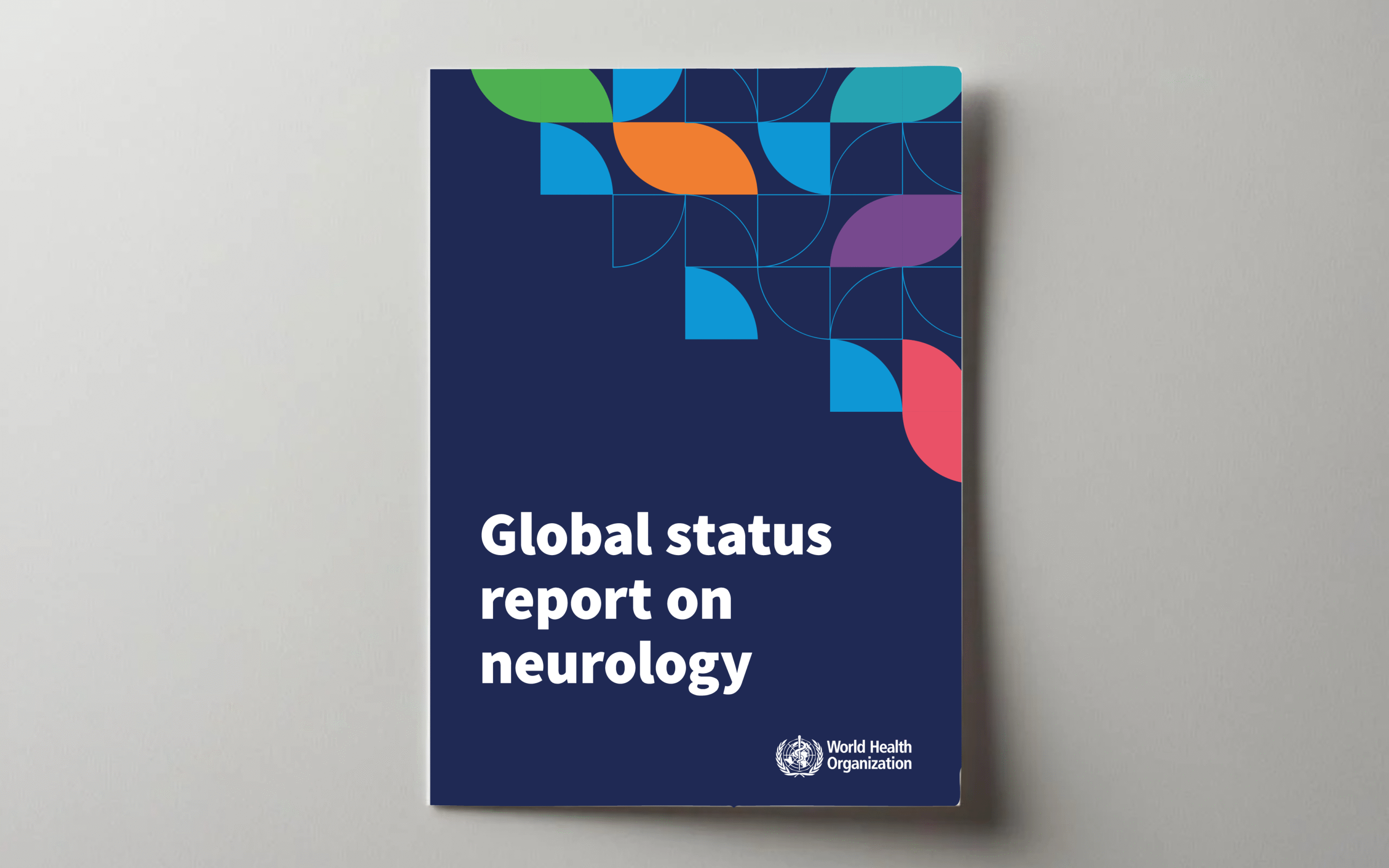
This week, the World Health Organization (WHO) published its latest Global Status Report on Neurology, revealing that stroke is the leading neurological disorder contributing to health loss worldwide.
In addition, the report outlines the direct costs of 24 brain disorders, including neurological and mental health conditions, exceeded US$ 1.7 trillion, growing by 3.5% annually since 2000. Stroke and dementia account for a large share of this burden. These figures exclude indirect costs such as lost productivity and informal care, which are likely to be substantial.
Despite these figures, stroke care remains fragmented and under-resourced across prevention, acute treatment, rehabilitation and long-term support. We need urgent coordinated action to address this gap.
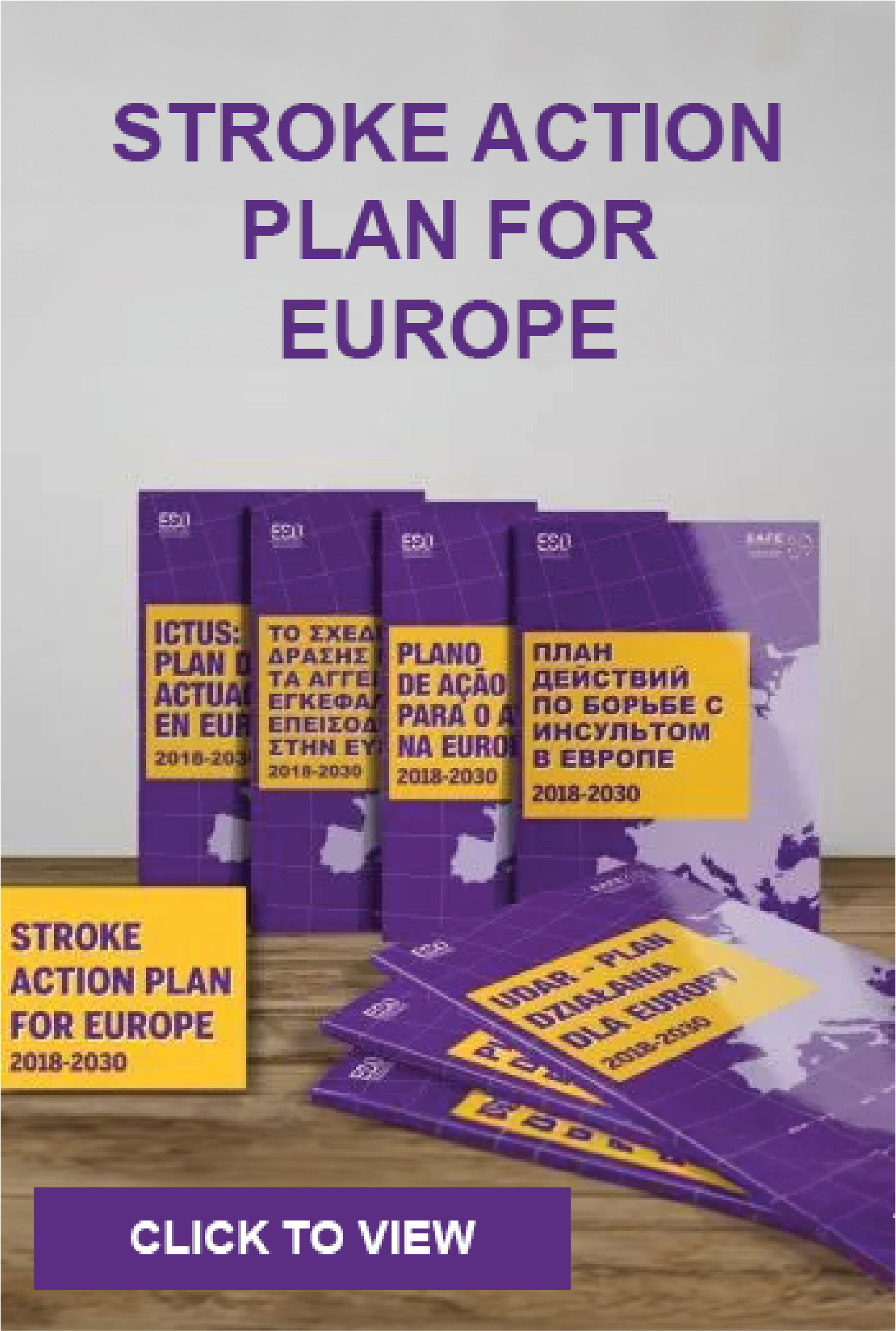
The Stroke Action Plan for Europe (2018-2030), developed by SAFE and the European Stroke Organisation, provides an evidence-based framework and recommendations for countries to improve their stroke prevention, treatment and post-stroke care.
At the same time, the European Commission is developing the first ever EU Cardiovascular Health Plan, which represents a milestone in the EU’s approach to chronic disease prevention and management.
This represents a seminal moment for stroke in Europe. If we combine the new Cardiovascular Health Plan with the Stroke Action Plan for Europe, we have a real opportunity to drive national action and deliver measurable improvements for people across the continent.
Arlene Wilkie, Director General of SAFE says “We owe it to the citizens of Europe to prevent as many strokes as possible, and to ensure that those who experience a stroke receive the care, rehabilitation and support they need to rebuild their lives no matter where they live.”
Oct 16, 2025
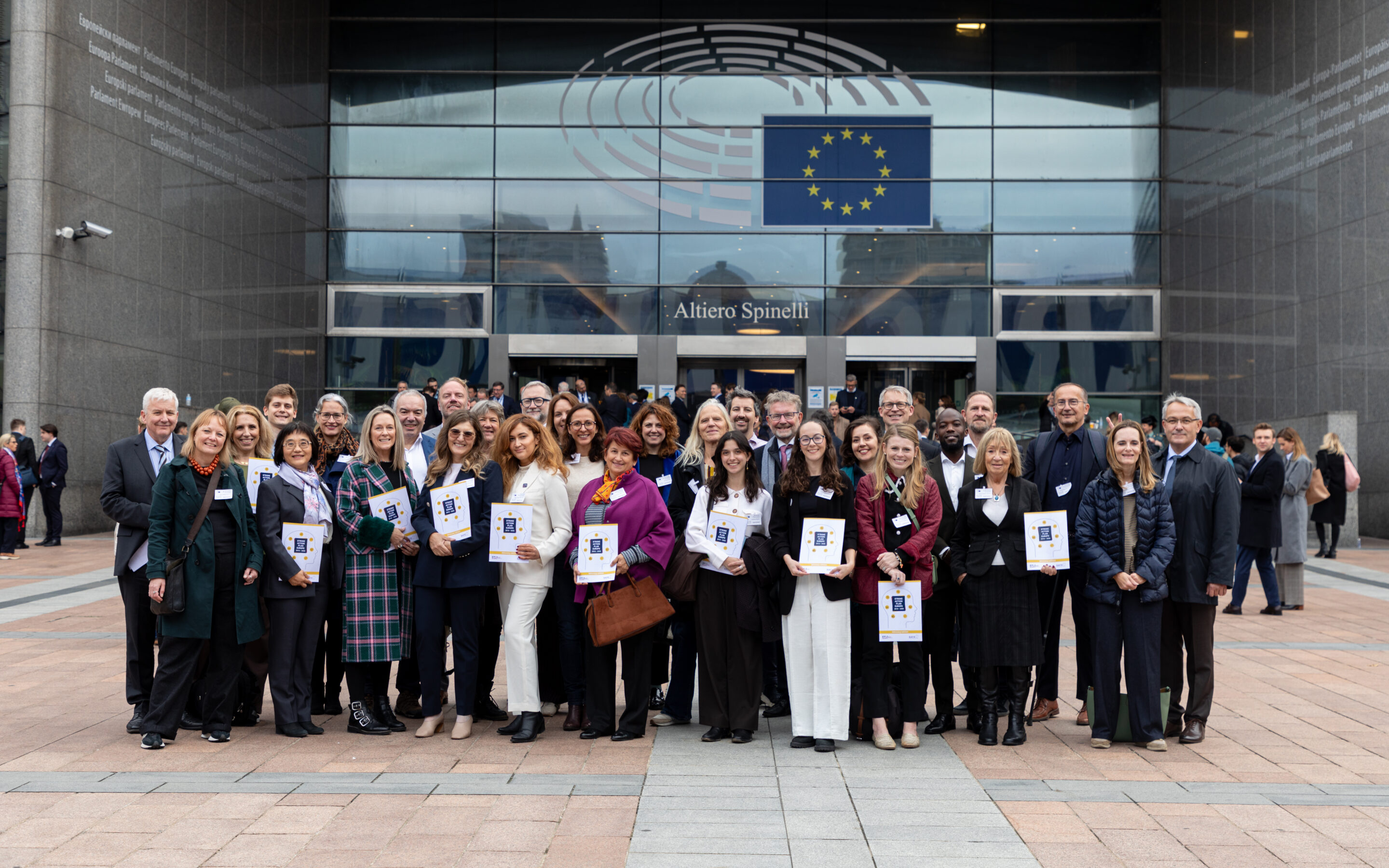
On Tuesday, stroke took centre stage at a European Parliament event in Brussels, where policymakers, people with lived experience, healthcare professionals, researchers, stroke support organisations and stroke advocates came together to call for urgent action to address lack of stroke research and persistent inequalities in stroke prevention, treatment and long-term care across Europe.
The recent World Health Organisation ‘Global status report on neurology’ highlights that stroke is the top neurological disorder contributing to health loss globally. Europe faces over 1.1 million strokes each year, causing nearly 460,000 deaths. Nearly 10 million people live with stroke’s long-term effects. The economic burden is immense and is projected to rise to €86 billion by 2040 without urgent reform. Stroke is the second leading cause of death and the leading cause of adult disability in Europe.
The event, “Closing the Gaps in Stroke Care: A Call to Action for Europe”, hosted by MEP Kelleher (Ireland) and MEP Jerkovic (Croatia), Stroke Alliance for Europe (SAFE) and the European Stroke Organisation (ESO), highlighted the critical need to act now and embed stroke as a key pillar into the upcoming EU Cardiovascular Health Plan and broader brain health strategies, and to use the Stroke Action Plan for Europe as the framework for this.
“Too many lives are cut short or permanently altered because access to prevention, acute treatment, rehabilitation and long-term support depends on where you live,” said Arlene Wilkie, Director General of SAFE, “With the upcoming publication of the Stroke Action Plan for Europe, we now have a clear roadmap. What we need is EU leadership to help Member States turn this evidence into action.”
The event featured contributions from Members of the European Parliament – Billy Kelleher (Ireland) and Romana Jerkovic (Croatia), Marianne Takki from DG Sante, Katherine de Bienassis from the Organisation for Economic Co-operation and Development (OECD), people with lived experience, ESO and SAFE.
Discussions underscored the urgent need for a coordinated European approach to closing the gaps in stroke care, supported by stronger alignment between EU and national health policies across five key areas:
- Prevention: Systematic screening for hypertension and atrial fibrillation, sharing best practices across Member States.
- Acute care: Expanding access to dedicated stroke units, emergency coordination and life-saving interventions such as thrombolysis and thrombectomy.
- Rehabilitation: Ensuring early, intensive, multidisciplinary rehabilitation with EU support for scaling up community and outpatient services.
- Life after stroke: Embedding long-term support, including mental health and reintegration programmes in national frameworks.
- Research and monitoring: Establishing EU-wide registries, quality indicators and embedding stroke in EU health and research agendas.
“As the EU prepares to shape its cardiovascular and brain health priorities, stroke must be recognised as a cornerstone issue,” said Professor Simona Sacco, ESO President, “This is the moment to move from fragmented efforts to a coordinated European approach.”
“I have lived experience of stroke, I know first-hand how life can change in an instant, and how much harder recovery could have become if support would have been fragmented or simply not there. Too many Europeans are left to navigate complex health systems on their own, facing barriers to rehabilitation, returning to work and rebuilding their lives”, said Associate Professor Melinda B Roaldsen, who is a medical doctor and stroke scientist with lived experience from Norway. “This event has given us a chance to change that. By asking MEPs and policy makers to bring stroke into the heart of EU health policy, they have an opportunity to make sure that every person, no matter where they live, has timely access to treatment, quality rehabilitation and long-term support. For me, this isn’t just about statistics or policy. It’s about dignity, independence and hope for millions of people and families across Europe.”

Sep 23, 2025
Stroke is Europe’s second biggest killer and the leading cause of acquired disability. Yet across the EU, stroke services remain fragmented and under-resourced, resulting in preventable deaths, lifelong disabilities, and a widespread lack of long-term support for survivors and their families.
On 14 October 2025, SAFE and the European Stroke Organisation (ESO) will host an event at the European Parliament in Brussels to highlight these systemic gaps and introduce the forthcoming Stroke Action Plan for Europe (SAP-E). This upcoming plan will outline evidence-based, cost-effective solutions designed to improve stroke care across Europe.
The event, Closing the Gaps in Stroke Care: A Call to Action for Europe, will bring together:
- EU and national policymakers
- Stroke survivors and caregivers
- Healthcare professionals and researchers
- Civil society and public health partners
The speakers at the event will outline ways to provide comprehensive stroke care across the entire care pathway, from prevention and emergency response to rehabilitation and long-term support, with a focus on better aligning EU-level initiatives and national implementation, including through the upcoming EU Cardiovascular Health Plan (CVH Plan).
By uniting lived experience, clinical expertise and policy leadership, the event aims to ensure stroke receives the attention it urgently requires within Europe’s health priorities and that updated SAP-E becomes a practical roadmap for meaningful, measurable change.
Page 1 of 9912345...102030...»Last »