Jun 4, 2026
A key component is the development of an EU approach to cardiovascular disease (CVD) health checks, aiming to support early identification of at-risk populations, including those with lifestyle risk factors, family history and interconnected conditions.
In April 2026, the Commission launched a Call for Evidence on CVD health checks to inform a future Council Recommendation on early detection and screening. SAFE supported the submission of the European Alliance for Cardiovascular Health and also provided a complementary submission.
May 22, 2026
Joint statement from the Stroke Alliance for Europe (SAFE) and the European Stroke Organisation (ESO)
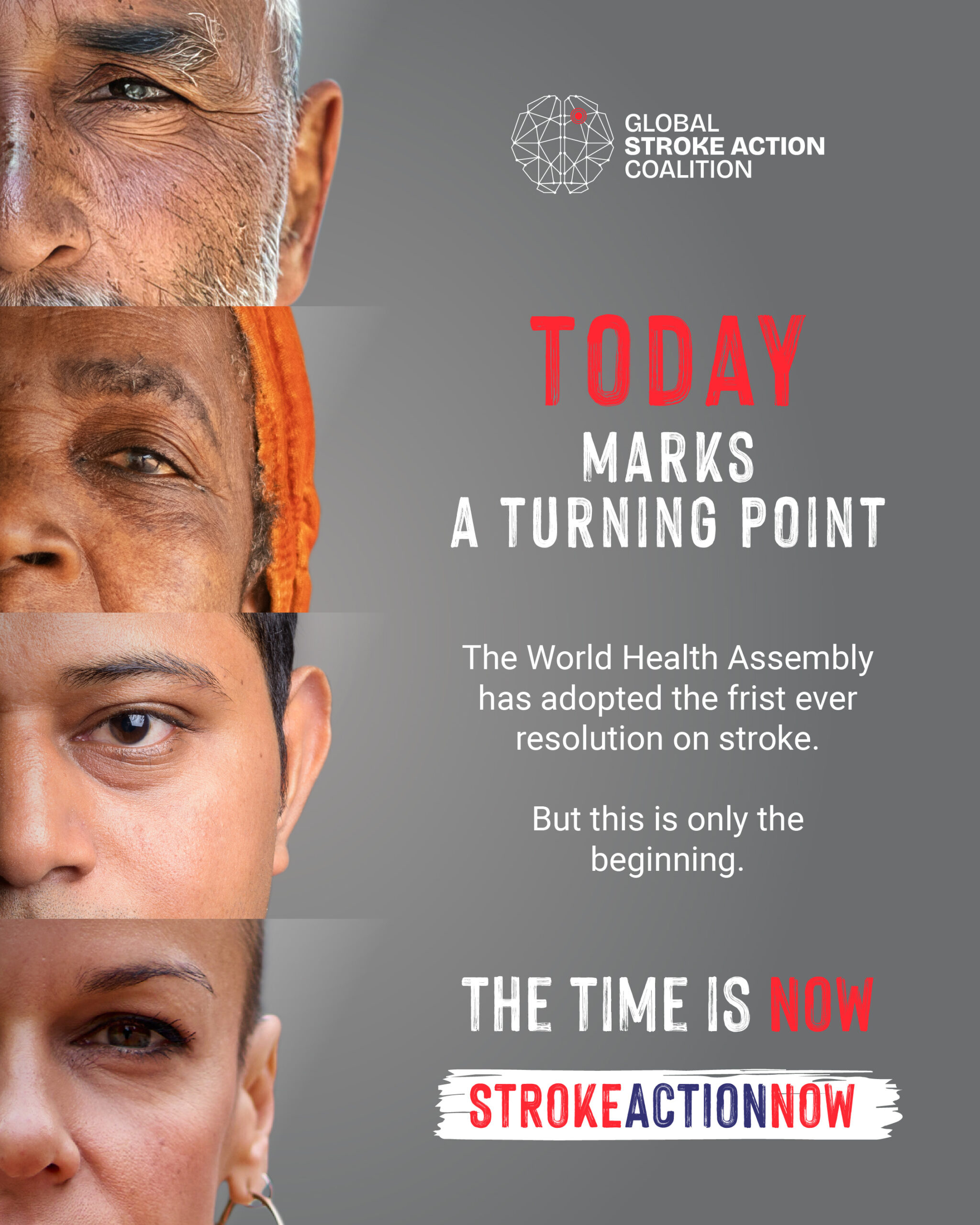
We warmly welcome the adoption of the WHO resolution on stroke at the World Health Assembly. This landmark decision represents a long-overdue recognition of stroke as a global health priority, and a major driver of death and disability worldwide.
“For Europe, this moment is particularly significant. Stroke remains one of the leading causes of mortality and adult disability across the region, placing a profound burden on individuals, families, healthcare systems and economies. The WHO resolution sends a strong, unified signal that urgent and coordinated action is needed.” Arlene Wilkie, Director Geneal, Stroke Alliance for Europe.
The Stroke Action Plan for Europe (SAP-E), led by SAFE and ESO, provides a clear and evidence-based roadmap to reduce the burden of stroke by 2030. Its ambitions – including reducing stroke incidence, improving access to acute stroke care, ensuring equitable rehabilitation and strengthening prevention – are directly aligned with the objectives of the new WHO resolution.
However, adoption alone is not enough. The real impact of this resolution will depend on how it is translated into action at national level.
We therefore call on governments across Europe to:
- Prioritise stroke within national health agendas, recognising its significant human and economic impact
- Develop and implement fully funded national stroke plans, aligned with the Stroke Action Plan for Europe
- Have stronger emphasis on primary prevention of stroke, including risk‑factor management and public awareness
- Make clear commitments to ensuring that all stroke patients have access to dedicated and properly staffed stroke units
- Develop measurable targets for equitable access to acute stroke treatments
- Implement dedicated secondary prevention and follow-up
- Increase and sustain investment in rehabilitation, early supported discharge and community‑based services
- Implement a long‑term, person‑led approach to life after stroke, including structured follow‑up, social participation and quality‑of‑life support
- Develop robust monitoring and reporting mechanisms to track stroke-specific outcomes and reduce geographical and socioeconomic inequalities
- Increase investment in high‑quality, collaborative research across the entire stroke pathway, from prevention and acute treatment to rehabilitation and long‑term support, to strengthen evidence, drive innovation and reduce inequalities across Europe
“This is a pivotal opportunity to transform stroke care and outcomes across Europe. SAFE and ESO will work with governments, clinicians, patient communities and policymakers in turning this global commitment into tangible progress. Together, we can reduce the burden of stroke and improve the lives of millions of people across Europe.” Professor Simona Sacco, Past President, European Stroke Organisation.
Click here for more information

Mar 26, 2026
Comhghairdeas!
Ireland has become the 16th country to endorse the Stroke Action Plan for Europe (SAP-E) Declaration, marking a significant step forward in strengthening stroke research, prevention, care and support in the country.
By signing the Declaration, the Irish government formally recognises stroke as a leading cause of premature death and long-term disability. The commitment aligns Ireland with European and global efforts to reduce the burden of stroke
Minister for Health, Jennifer Carroll MacNeill, confirmed the signing and announced plans to develop a new National Stroke Strategy. The strategy will be shaped in consultation with patients, clinicians, researchers and policymakers, and will align closely with SAP-E priorities.
The recently updated SAP-E sets out ambitious targets for 2030, including reducing stroke incidence, improving access to specialist stroke care, and strengthening rehabilitation and long-term support, and research priorities.
Clinical and patient advocacy leaders, including our member the Irish Heart Foundation, have described the signing as a “major milestone,” highlighting its potential to reduce death and disability while improving quality of life for those affected by stroke.
Read more
Irish Heart Foundation
Press release from Irish Department of Health
Stroke Action Plan for Europe
Jan 30, 2026
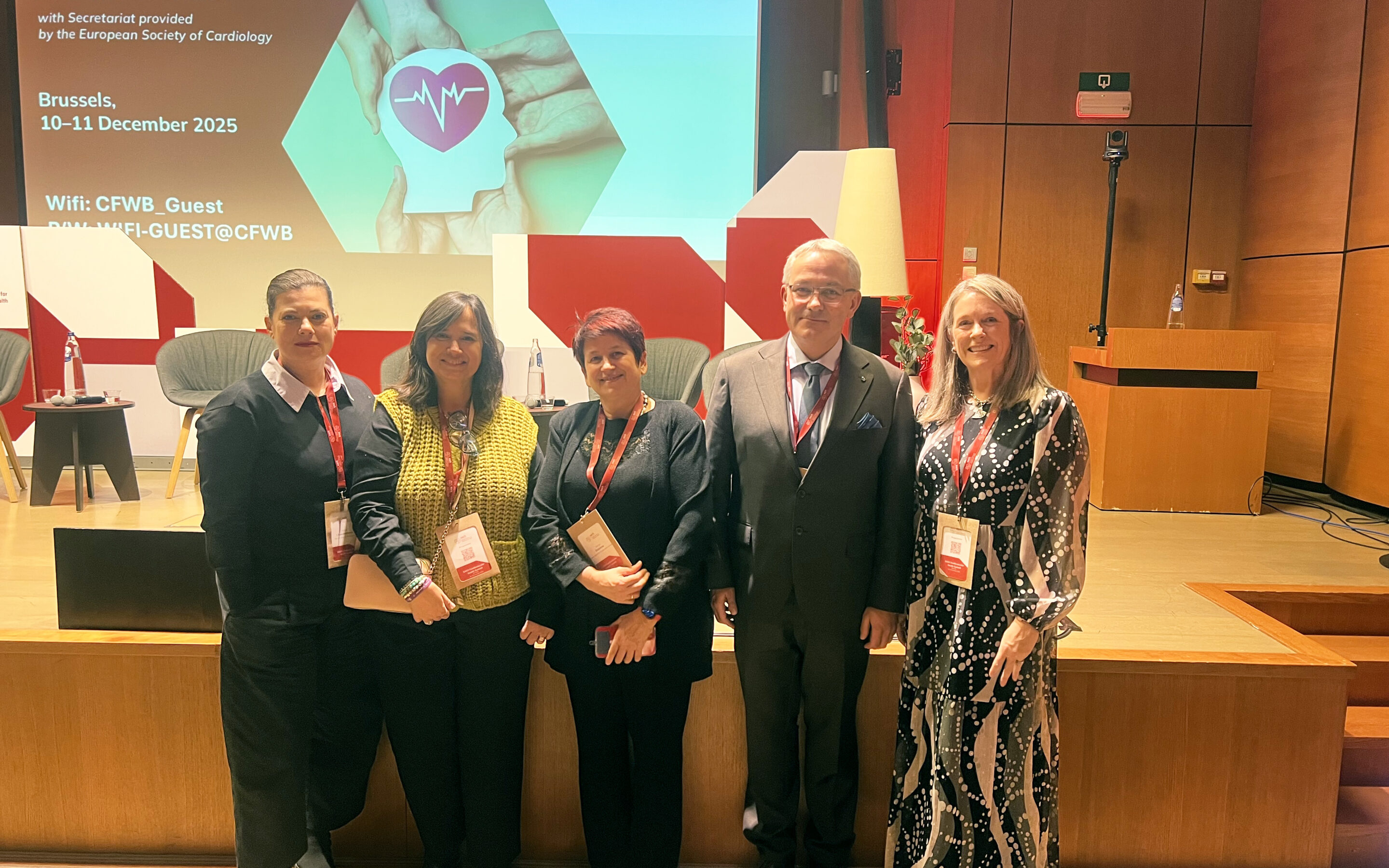
The EACH Cardiovascular Health Summit 2025 in Brussels brought together policymakers, clinicians, researchers and patient advocates to address Europe’s biggest health challenge: cardiovascular disease.
The event focused on tackling inequalities, improving prevention and early detection, and strengthening patient‑centred care across Europe. A major highlight was the official launch of the EU Cardiovascular Health Plan by the European Health Commissioner, marking a historic step forward for cardiovascular health across the EU.
SAFE was represented by Arlene Wilkie, alongside SAFE members Marina Charalambous (Cyprus), Diana Wong-Ramos (Portugal), Adam Siger (Poland) and Dorina Dobreva (Bulgaria). Arlene participated in a high‑level panel discussion where she welcomed the new Plan but urged the community to ensure that stroke is not left behind, emphasising the need for integrated action across all cardiovascular conditions. Diana also took part in a panel discussion where she highlighted the importance of reducing inequalities across Europe and stressed how coordinated EU‑level action can help close persistent gaps in cardiovascular outcomes.

Dec 19, 2025
SAFE and the European Stroke Organisation welcome the publication of the European Commission’s EU Cardiovascular Health Plan. For the first time, the EU has recognised the urgent need for coordinated action on cardiovascular health, the leading cause of mortality and disability in Europe.
The Plan includes many positive commitments for stroke, including a strong focus on prevention, national cardiovascular health plans by 2027, rehabilitation, innovation and tackling inequalities. These measures have real potential to improve outcomes for millions of people.
In addition, this week the OECD published its report ‘The State of Cardiovascular Health in the European Union’. It confirmed that stroke remains Europe’s second leading cause of death from cardiovascular disease and a major contributor to acquired long-term disability.
It also highlighted that stroke prevention, acute care, rehabilitation and long-term support remain fragmented and unequally available across the EU.
Our joint response makes clear that for the Plan, framed as the ‘Safe Hearts’ plan, to deliver meaningful impact, stroke must be explicitly integrated across all pillars of action. We highlight key areas where further ambition is needed, including access to specialised stroke units, emergency pathways, structured secondary prevention, rehabilitation, life after stroke and research.
SAFE and ESO will work with EU institutions, Member States and partners to ensure that stroke receives the prioritisation it deserves.
Read our full response
Oct 16, 2025
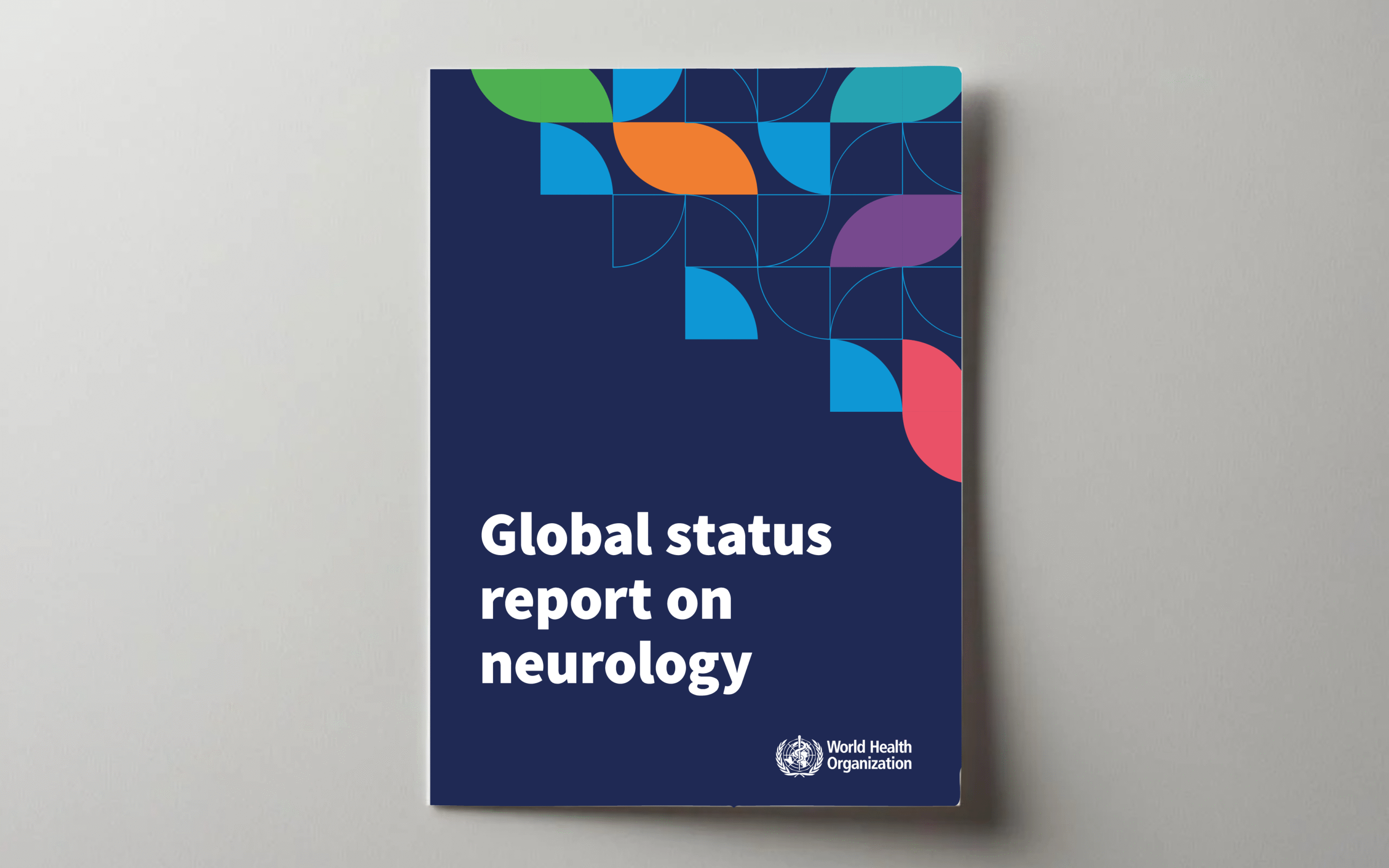
This week, the World Health Organization (WHO) published its latest Global Status Report on Neurology, revealing that stroke is the leading neurological disorder contributing to health loss worldwide.
In addition, the report outlines the direct costs of 24 brain disorders, including neurological and mental health conditions, exceeded US$ 1.7 trillion, growing by 3.5% annually since 2000. Stroke and dementia account for a large share of this burden. These figures exclude indirect costs such as lost productivity and informal care, which are likely to be substantial.
Despite these figures, stroke care remains fragmented and under-resourced across prevention, acute treatment, rehabilitation and long-term support. We need urgent coordinated action to address this gap.
The Stroke Action Plan for Europe (2018-2030), developed by SAFE and the European Stroke Organisation, provides an evidence-based framework and recommendations for countries to improve their stroke prevention, treatment and post-stroke care.
At the same time, the European Commission is developing the first ever EU Cardiovascular Health Plan, which represents a milestone in the EU’s approach to chronic disease prevention and management.
This represents a seminal moment for stroke in Europe. If we combine the new Cardiovascular Health Plan with the Stroke Action Plan for Europe, we have a real opportunity to drive national action and deliver measurable improvements for people across the continent.
Arlene Wilkie, Director General of SAFE says “We owe it to the citizens of Europe to prevent as many strokes as possible, and to ensure that those who experience a stroke receive the care, rehabilitation and support they need to rebuild their lives no matter where they live.”